ServicesTrailer Interchange Insurance
Trailer Interchange Insurance in College Park, GA
If you pull someone else's trailer under a signed interchange agreement, damage to that trailer is on you. We read the agreement first, check what your current policy already covers, and tell you plainly where the gap is before we quote anything.
What trailer interchange coverage does
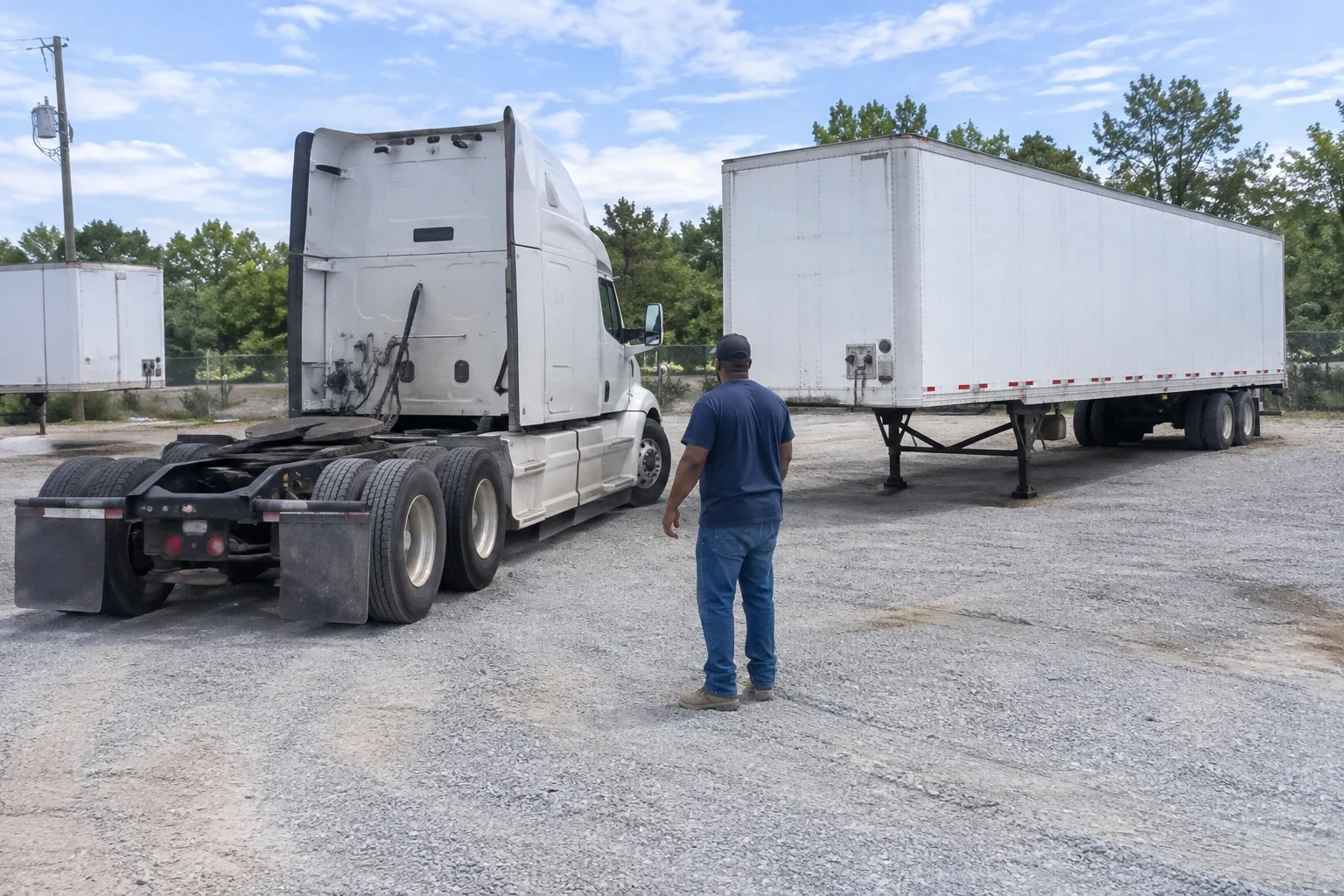
Trailer interchange insurance pays for physical damage to a trailer you don't own while it's in your care under a written interchange agreement. That covers collision, fire, theft and similar losses. It's common in intermodal and drayage work, and when two carriers swap trailers to keep loads moving.
Many drivers assume their liability policy handles it. It doesn't. Primary auto liability pays for damage you do to other people and their property on the road, but a trailer you've signed for is in your custody, and that's excluded. Your physical damage policy only covers equipment you own or have listed. Without interchange coverage, a wrecked or stolen trailer becomes a bill sent straight to your operation.
Our approach is simple. Inspection first, honest findings, then a recommendation. Sometimes you need a full policy. Sometimes the carrier you're leased to already has you covered and you need nothing.
What we handle on an interchange policy
A line-by-line read of your agreement
Interchange agreements spell out who pays for what, the minimum limit, and whether the trailer owner must be named on your certificate. We go through it with you so nothing in the fine print is a surprise later.
A limit that fits the trailer
A dry van, a chassis and a refrigerated trailer carry very different values. We set the limit to the most valuable trailer you'll realistically have hooked up, and to what the agreement requires.
Deductible choices explained
A higher deductible lowers the premium, but you pay that amount out of pocket on every claim. We show you both sides so you can pick what your cash flow can handle.
Certificates sent to the right party
Trailer owners and equipment providers usually want a certificate of insurance on file before they release equipment. We prepare it with the wording they ask for.
A check against your other coverage
We look at how interchange fits with your physical damage, cargo coverage and liability so you aren't paying twice or missing a piece. We're licensed for property and casualty insurance, which is the line this coverage falls under.
Signs you need trailer interchange coverage
- You're signing an interchange agreement
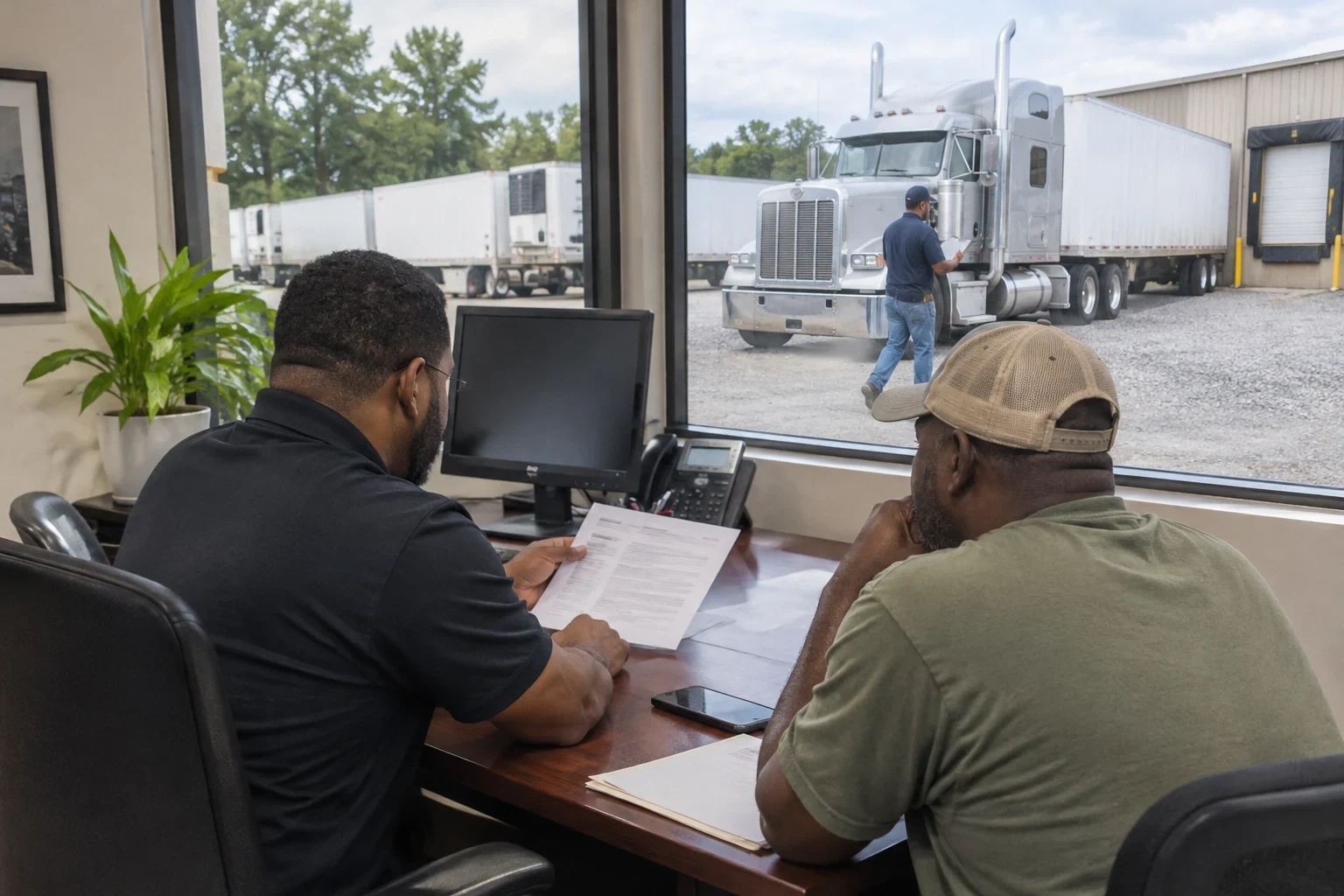
- Intermodal work usually comes with a standard interchange agreement that sets a coverage requirement. If you're about to sign one, the coverage needs to be in place first.
- You pull trailers from rail ramps or ports
- Drayage runs around Atlanta often mean hooking to boxes and chassis owned by railroads, steamship lines or leasing companies. Those owners expect you to cover damage while the equipment is yours to watch.
- You swap trailers with another carrier
- Trading trailers to cover a load is a handshake deal for some outfits. Put it in writing, and get the coverage that goes with it.
- An equipment provider asked for a certificate
- If someone wants proof of interchange coverage before they release a trailer, that's your answer.
- You assumed liability covers it
- This is the most common gap we find. If your only coverage is liability and physical damage on your own tractor, a borrowed trailer is unprotected.
How it works when you call
- 1
A first conversation
We talk by phone, over video, or at our office. Tell us what you haul, whose trailers you pull, and how often. Have your agreement and current policy handy.
- 2
We read the paperwork
We go through the agreement's requirements and your existing coverage side by side. We look for exclusions, required limits and naming rules.
- 3
Plain findings
We tell you what's covered, what isn't, and whether you even need this policy. If your leasing carrier already provides it, we'll say so.
- 4
Quote and setup
If you need coverage, we shop it and walk you through the quote. Once you approve it, we issue certificates to each trailer owner who requires one.
What moves the price
Interchange premiums are usually modest next to liability, but they vary more than people expect. The biggest driver is how much trailer you're responsible for at one time. We'll explain each factor on your quote so you know why the number is what it is.
- Trailer type and value
- A refrigerated trailer costs far more to replace than a basic chassis. Higher values mean higher limits and a higher premium.
- The limit you carry
- Agreements set a minimum. Carrying more than that costs more, and carrying less can get you turned away at the gate.
- Deductible
- Taking on more of each loss yourself brings the premium down.
- Driving and loss history
- Past claims, driver records and how long your authority has been active all count. Newer motor carriers often see higher rates for the first few years.
- Where trailers sit
- Equipment parked overnight in open lots carries more theft risk than equipment dropped at a secured yard.
Trailer interchange questions
- How is this different from non-owned trailer coverage?
- Interchange coverage applies when a written interchange agreement is in place. Non-owned trailer physical damage covers trailers you pull without that kind of agreement. Some operations need one, some need both. We'll tell you which fits after reading your contracts.
- Does it cover the freight inside the trailer?
- No. Interchange covers the trailer itself. The load is covered by motor truck cargo insurance, which is a separate policy. We'll check both if you pull loaded trailers.
- I'm leased onto a carrier. Do I need my own policy?
- Maybe not. Many carriers carry interchange coverage that extends to leased owner-operators. Get a copy of your lease and the carrier's certificate, and we'll check if their policy actually reaches you.
- How much coverage do I need?
- Start with what the agreement requires, then compare it to the value of the trailers you actually pull. If you sometimes pull higher-value equipment, your limit should match that, not the cheapest box in the yard.
- How long have you been doing this?
- We've been in business five years, working with owner-operators and small fleets around College Park, East Point, Forest Park and the rest of the south metro. A big part of the job is reading contracts closely and pointing out gaps before they turn into a bill.
Find out what your agreement really asks for
Bring your interchange agreement and current policy. We'll go through both with you and tell you plainly what's missing, if anything.