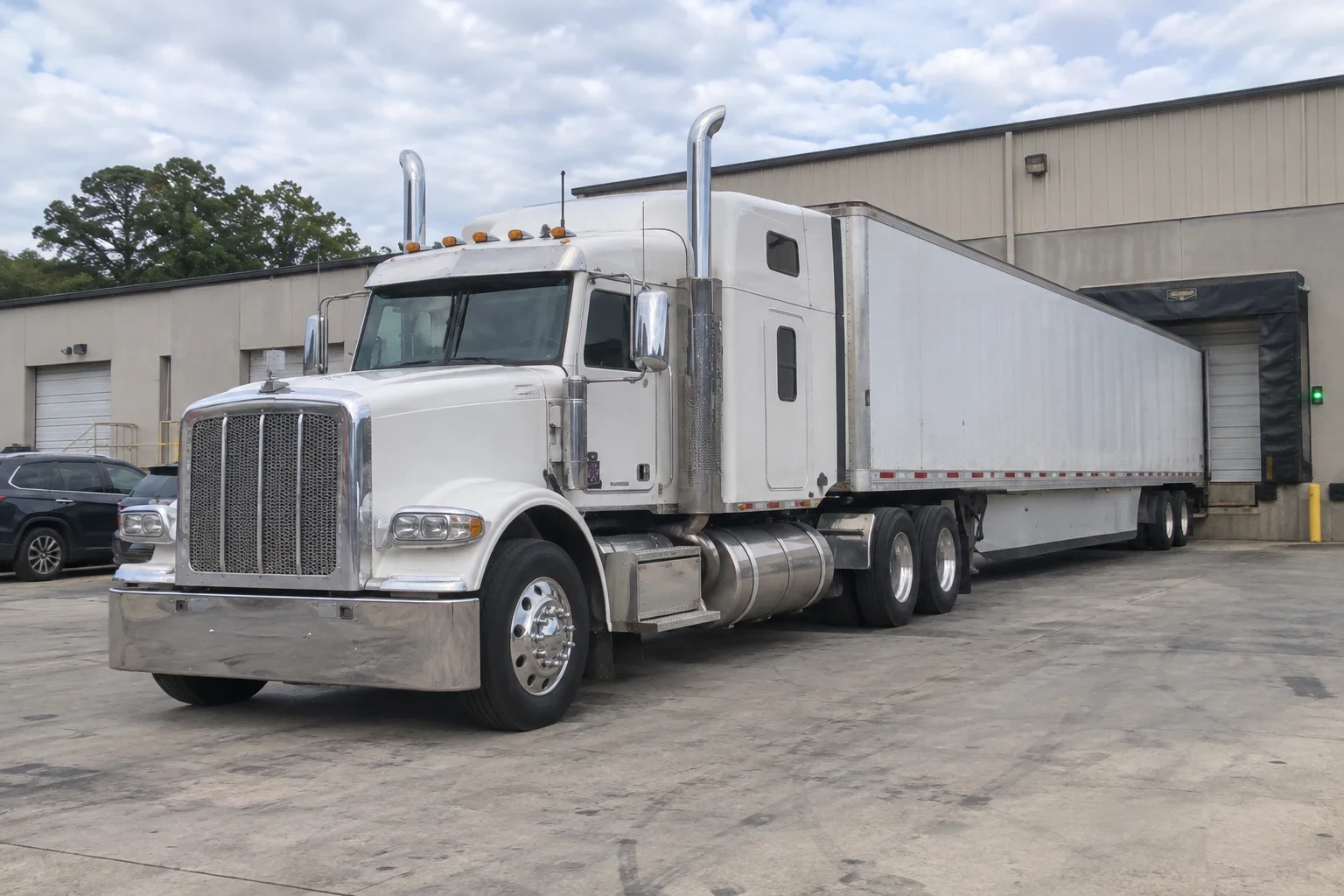
Trucking Insurance in College Park That Starts With a Close Look
We insure owner-operators, new motor carriers, fleets, and hotshot, box and dump truck businesses. Before we quote primary liability, physical damage or cargo coverage, we go over your operation and your current policy line by line. Carriers from College Park, East Point and Union City get plain findings first, then options.
- Policy review before quotes
- Findings in plain English
- Office, phone or video
- Help with your filings
A Local Shop for Truck Coverage
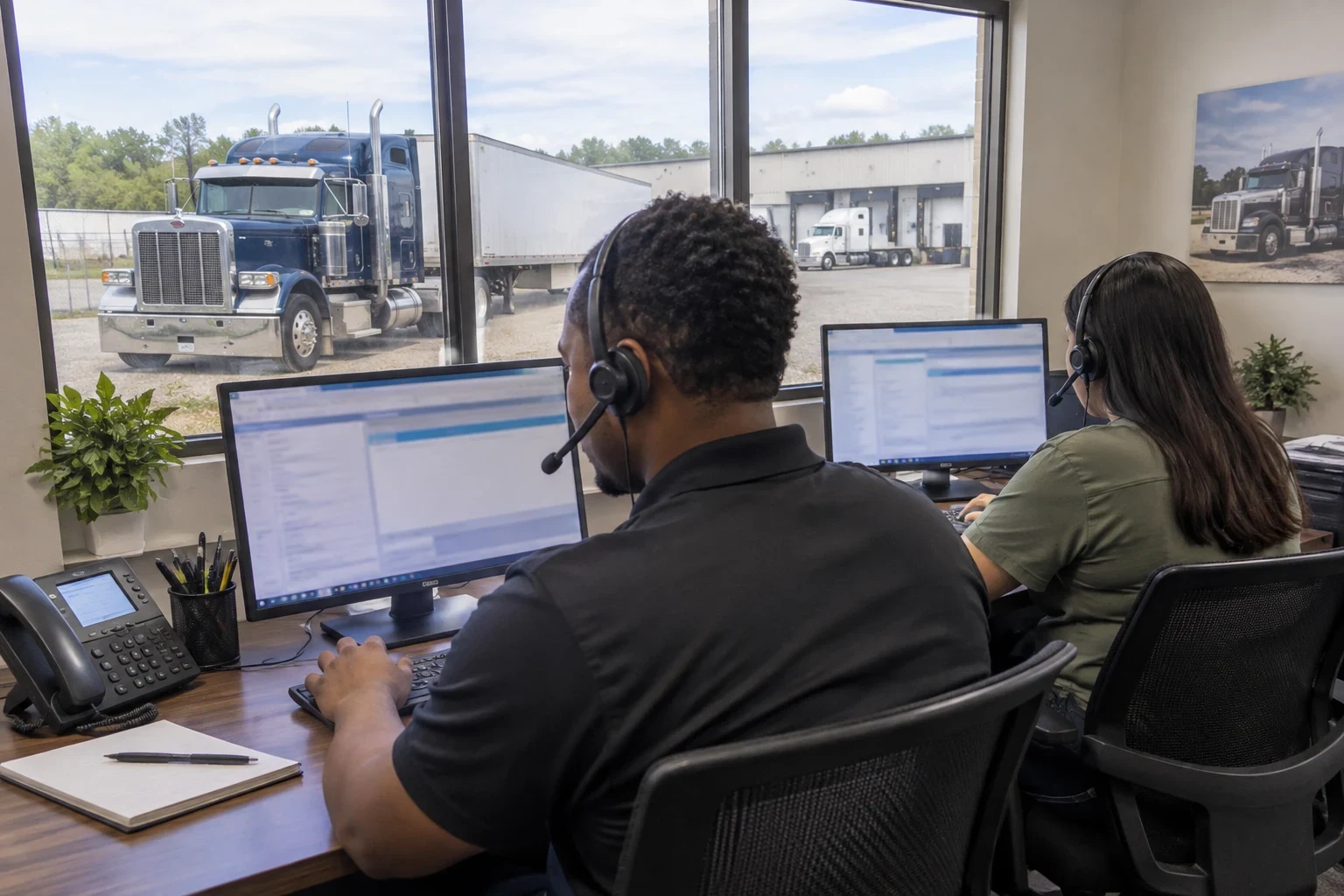
We are a trucking insurance agency based in College Park, GA. Our customers are owner-operators, carriers just getting their authority, small fleets and the hotshot, box truck and dump truck businesses that keep freight and construction moving around the south side of the metro.
You can sit down with us at our office, or we can handle everything by phone and video. Either way, you talk to the person looking at your file. We would rather spend an extra half hour on your loss runs than sell you a policy that fails when a broker checks it or a claim comes in.
- License
- Licensed for property and casualty insurance
- In business
- In business 5 years
Coverage for the Way You Haul
We write commercial trucking insurance for single trucks and small to mid-size fleets. That covers primary auto liability, physical damage, motor truck cargo, non-trucking liability (bobtail) and trailer interchange. We also set up coverage built around the kind of truck you run, from hotshot and box trucks to dump trucks on construction sites. Pick the page that fits your operation, or call and we will point you to the right one.
Commercial Trucking Insurance
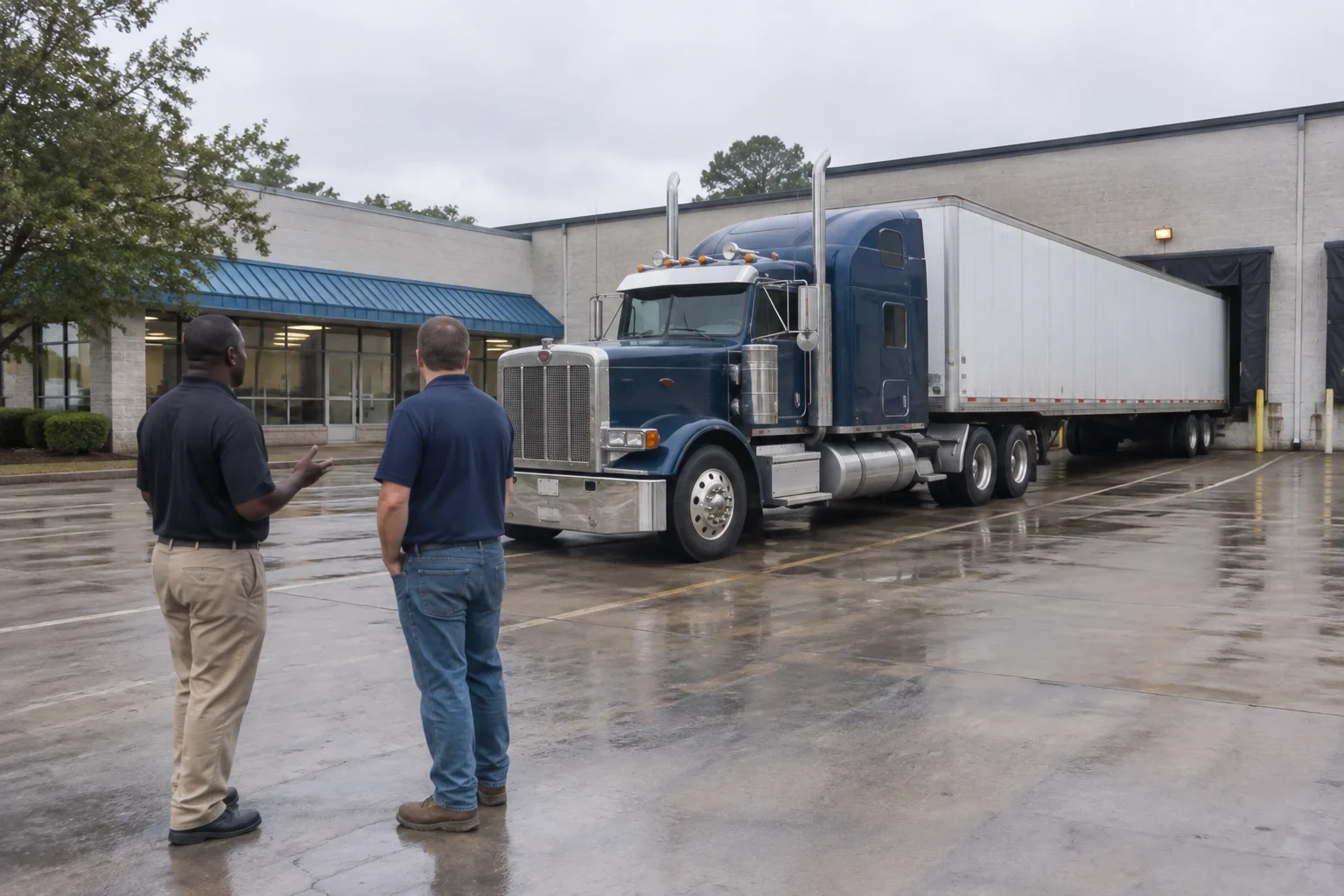
Liability, physical damage, cargo and filings for motor carriers, set up after we look closely at how your operation actually runs.
Primary Auto Liability
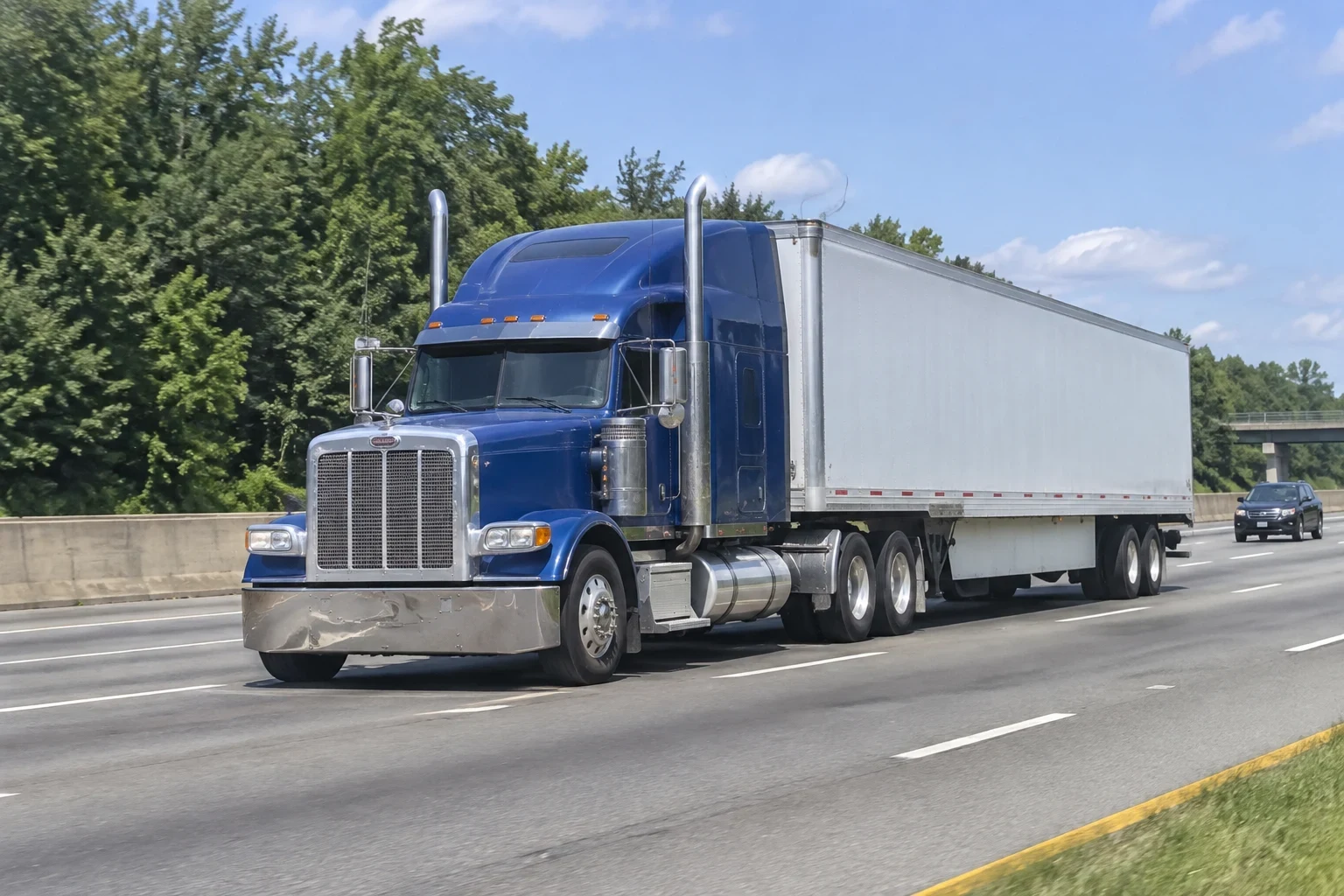
The coverage your MC authority depends on, matched to your loads and brokers, with federal filings and certificates handled for you.
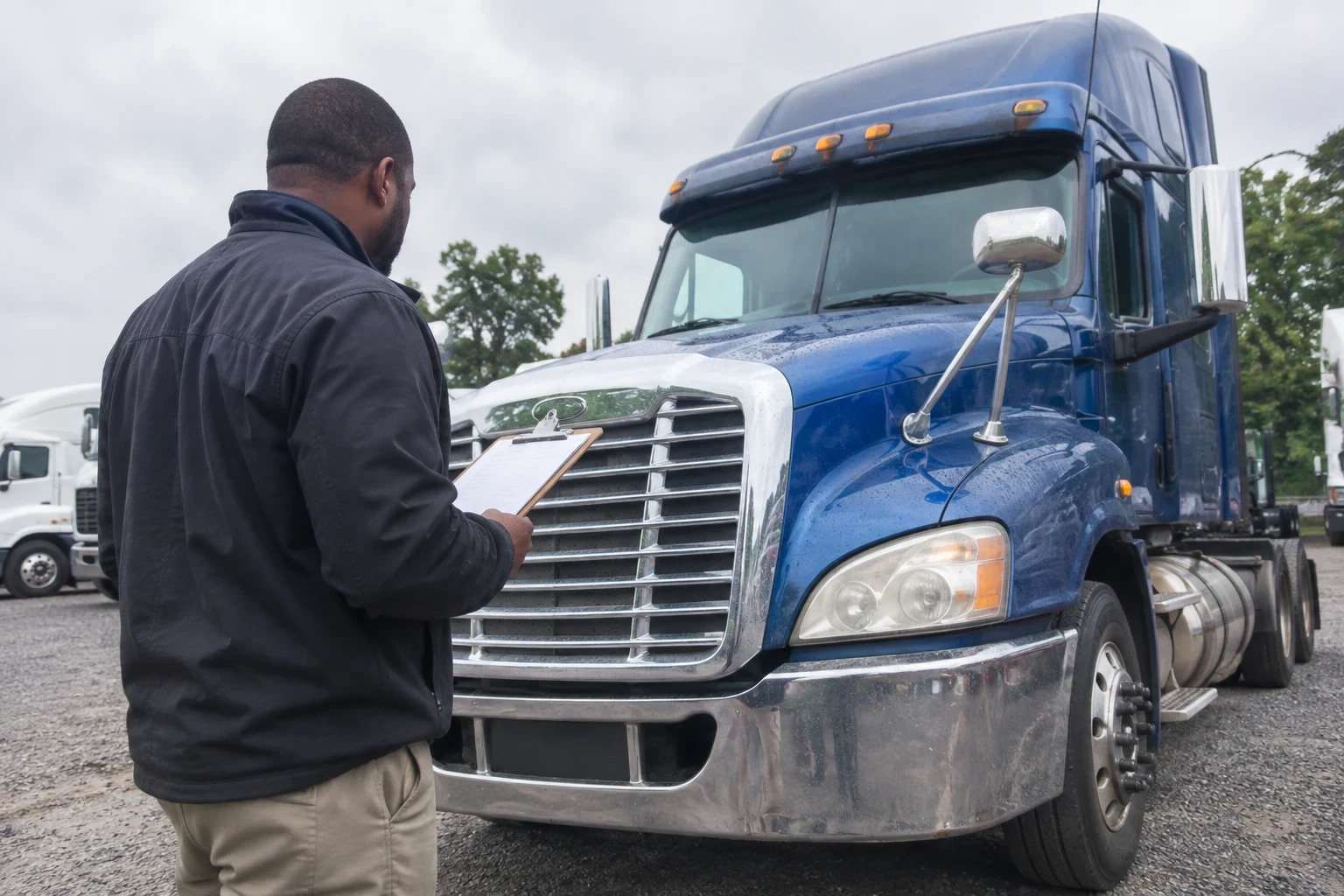
Physical Damage Insurance
Collision and comprehensive coverage for your tractor, straight truck or trailer, set at a stated value that matches what the equipment is really worth.
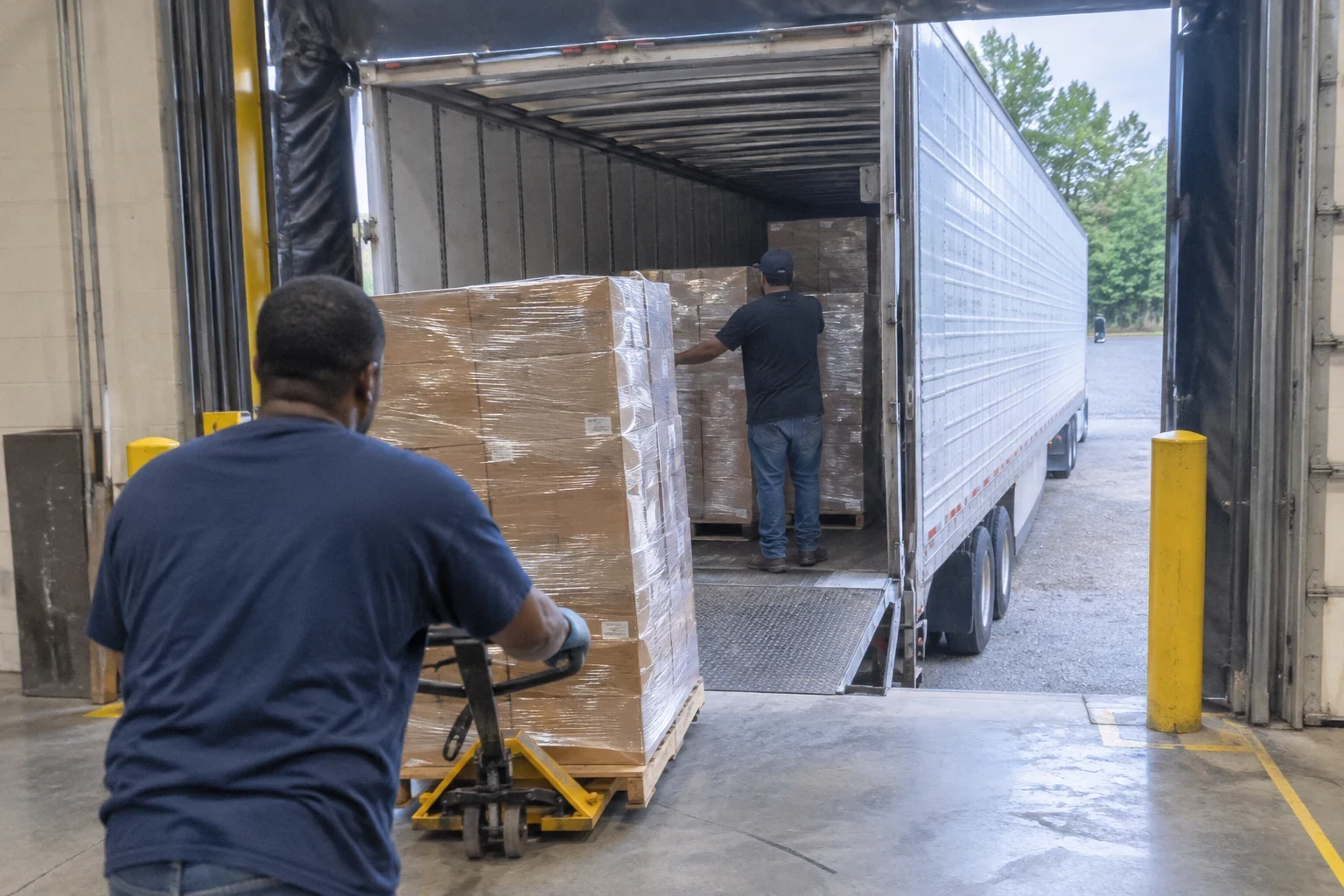
Motor Truck Cargo Insurance
Coverage for the freight on your truck, checked against what you actually haul and what your brokers require before you sign anything.
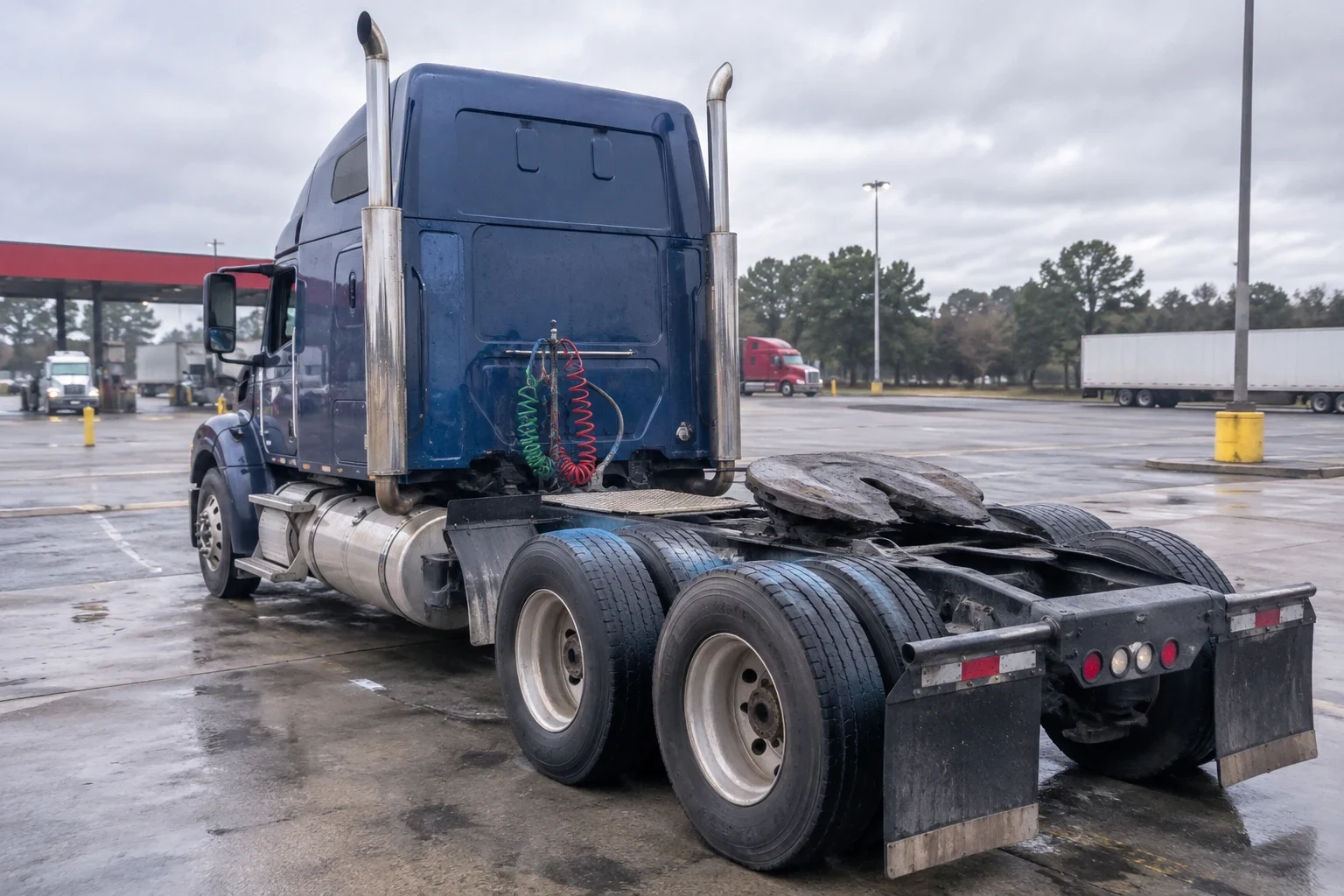
Non-Trucking Liability (Bobtail)
Liability coverage for leased owner-operators driving off dispatch, matched to what your lease and your motor carrier's policy actually say.
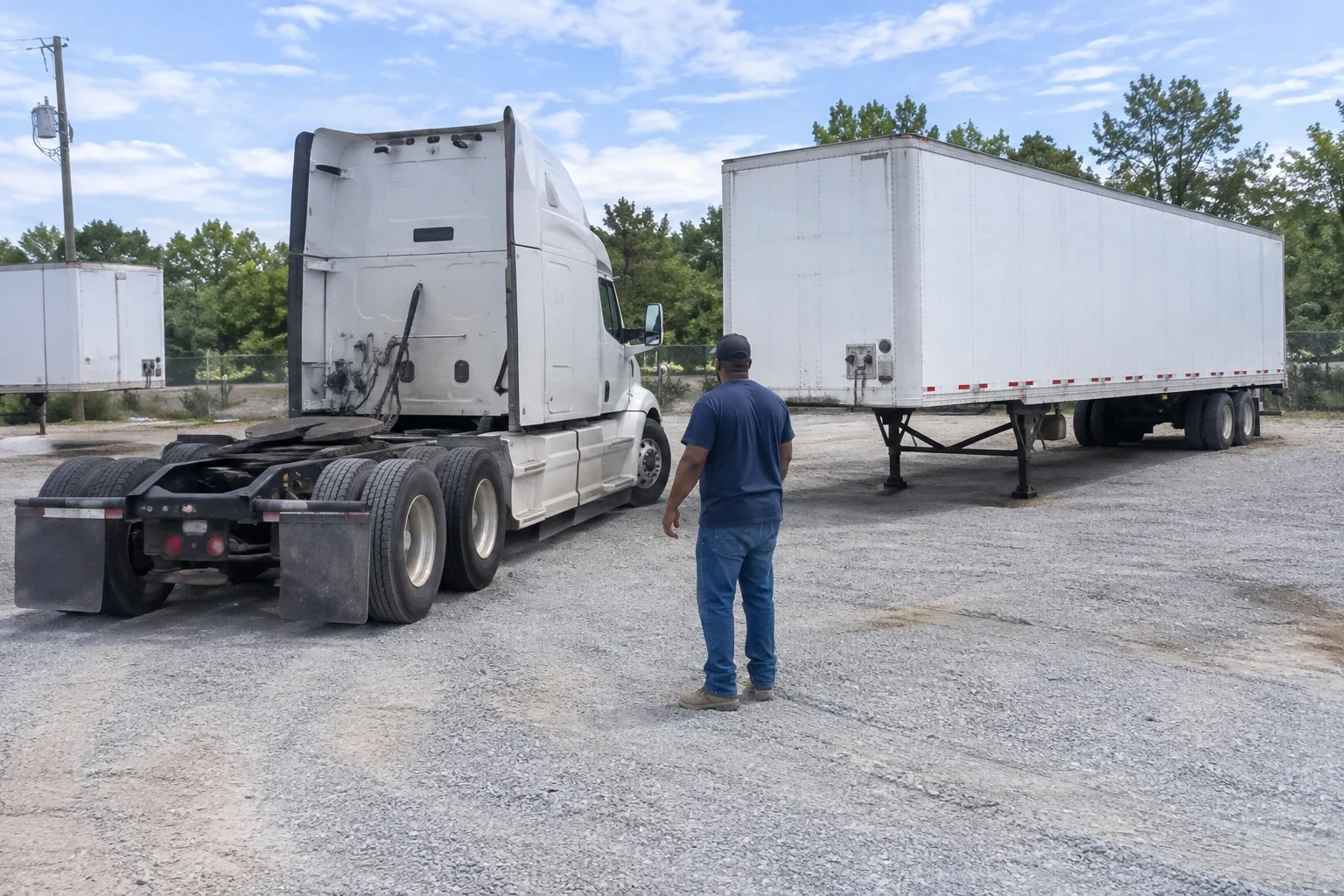
Trailer Interchange Insurance
Physical damage coverage for trailers you don't own but pull under a written interchange agreement, set to the limits the agreement actually asks for.
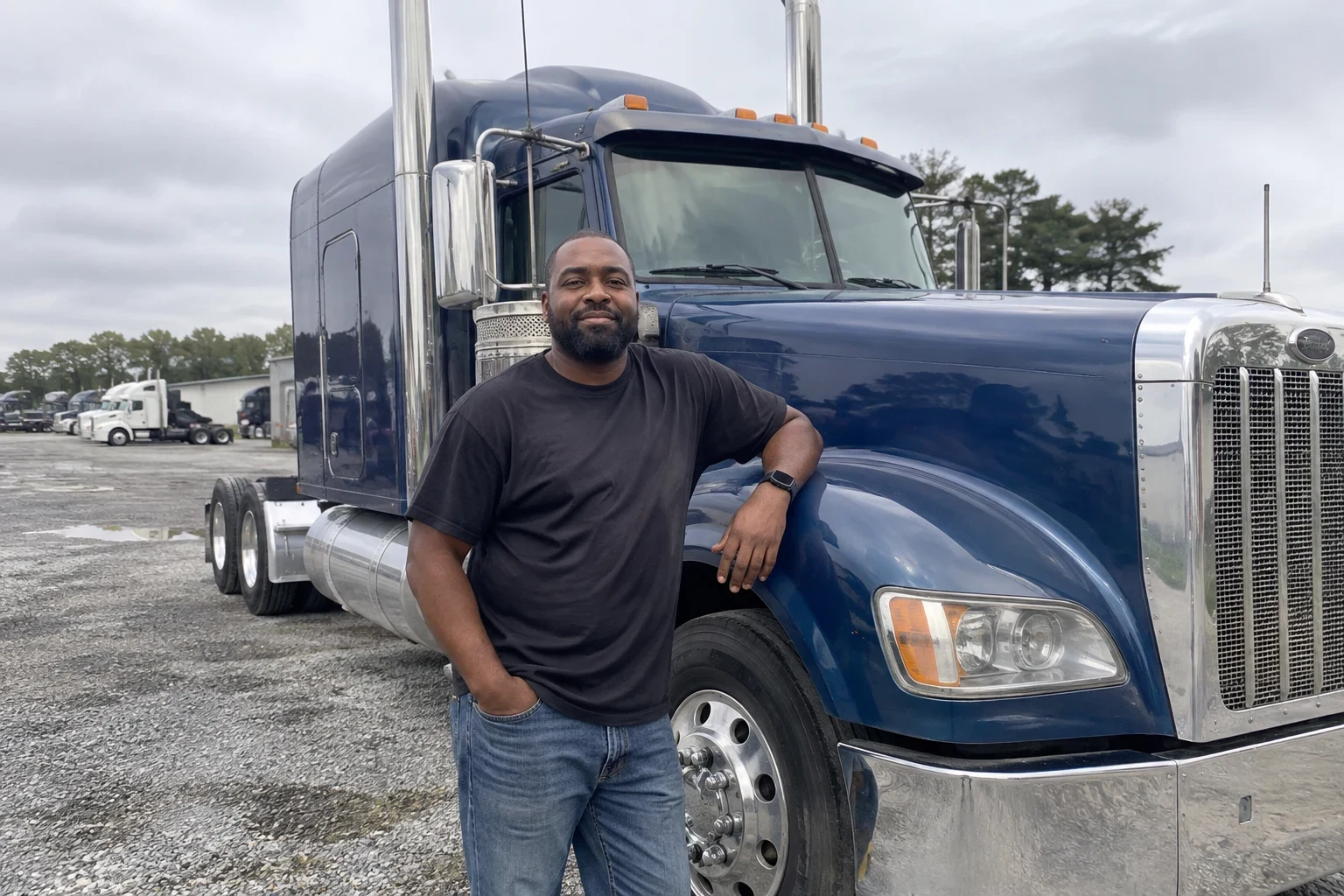
Owner-Operator Insurance
Coverage for one-truck operators, leased on or running under your own MC authority, set up after we read your lease and current policy line by line.
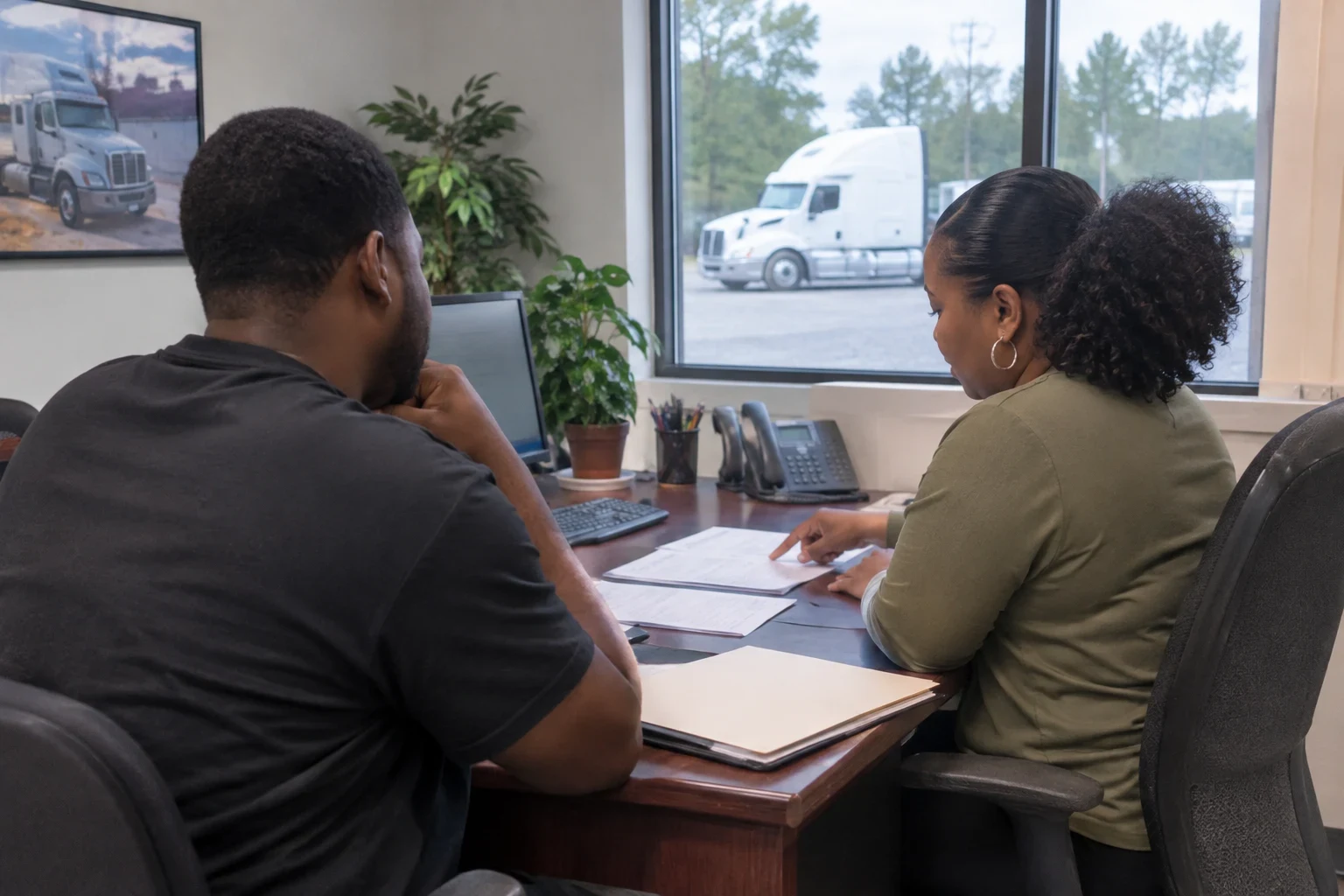
New Authority Truck Insurance
Liability, cargo and physical damage coverage for carriers starting under their own MC number, with the federal filings handled so your authority can go active.
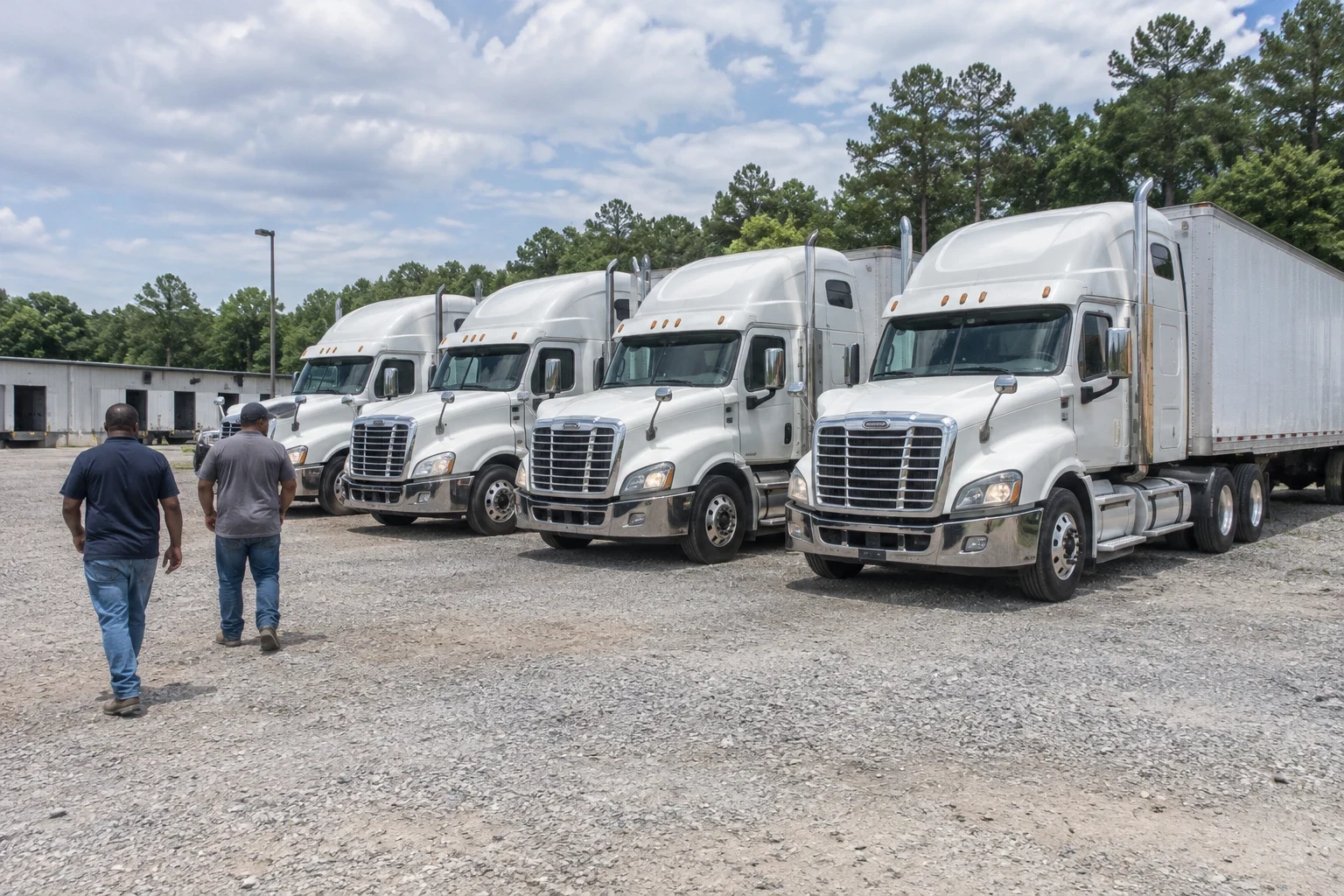
Fleet Truck Insurance
Coverage for your power units, trailers and drivers under one policy, set up after we review your vehicle schedule, loss runs and driver list.
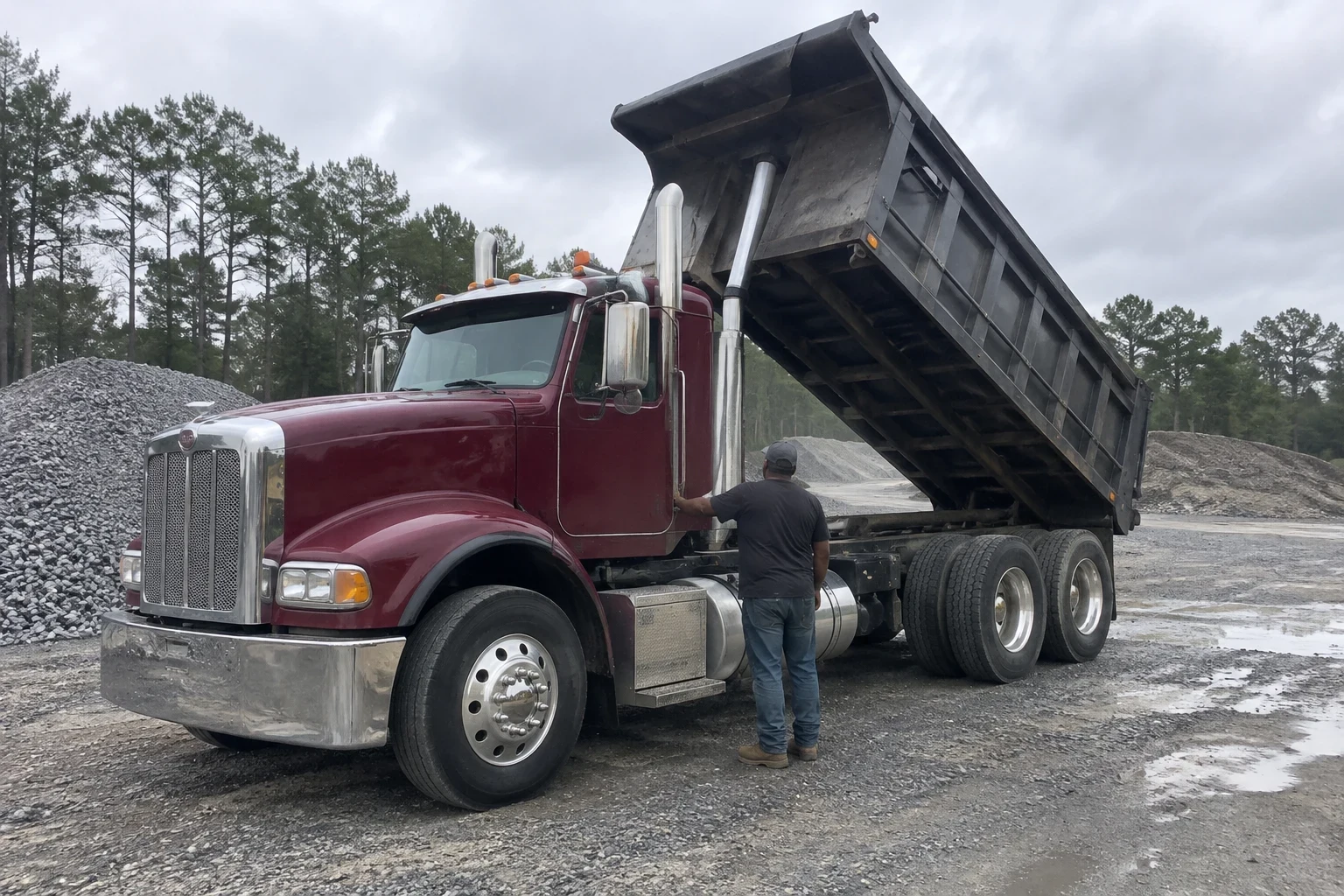
Dump Truck Insurance
Coverage for dump trucks, mixers and other construction trucks, built after we look at what you haul, how far you run and what your contracts require.
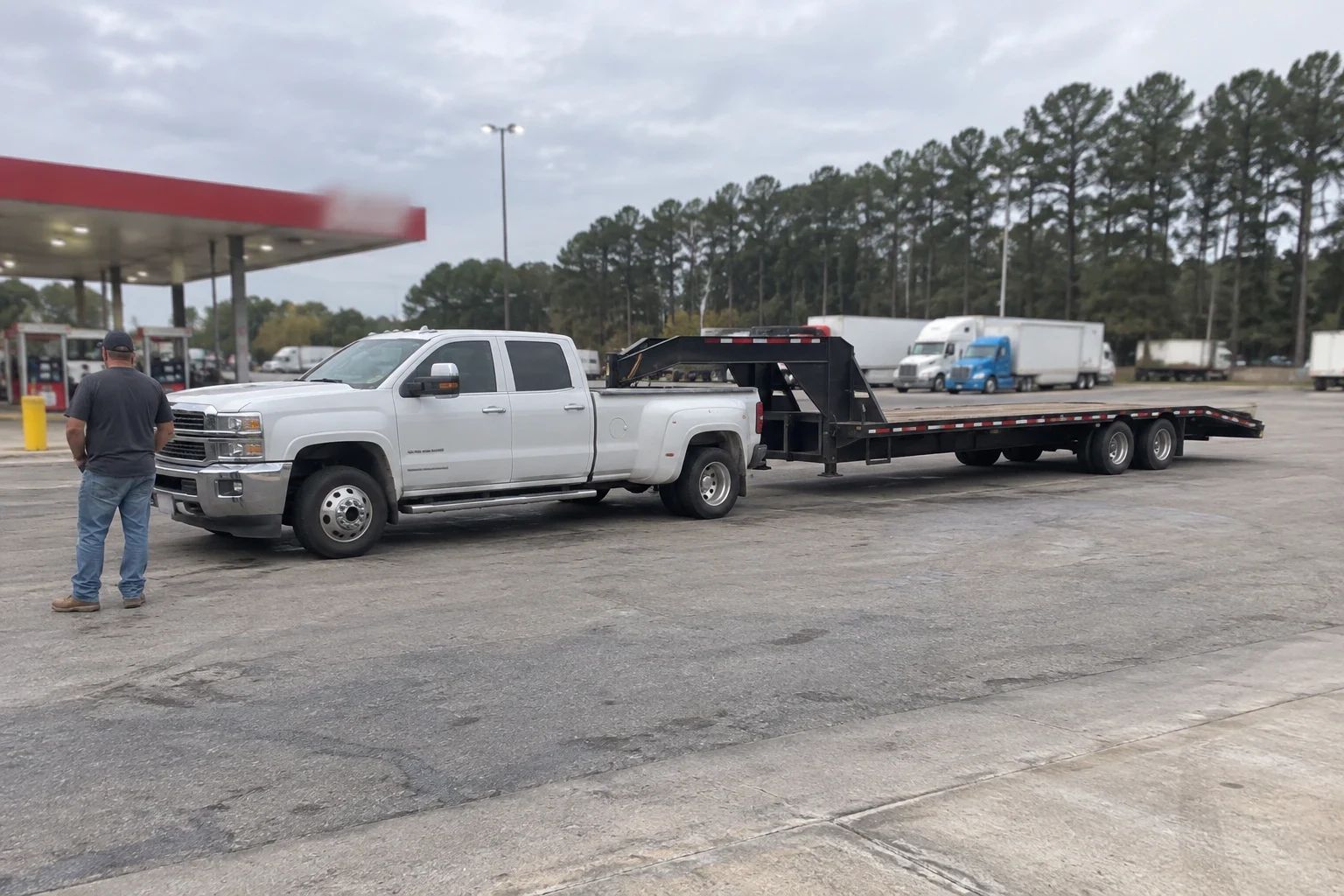
Hotshot Truck Insurance
Coverage for one-ton pickups and the trailers behind them, written around what you haul and how far you run.
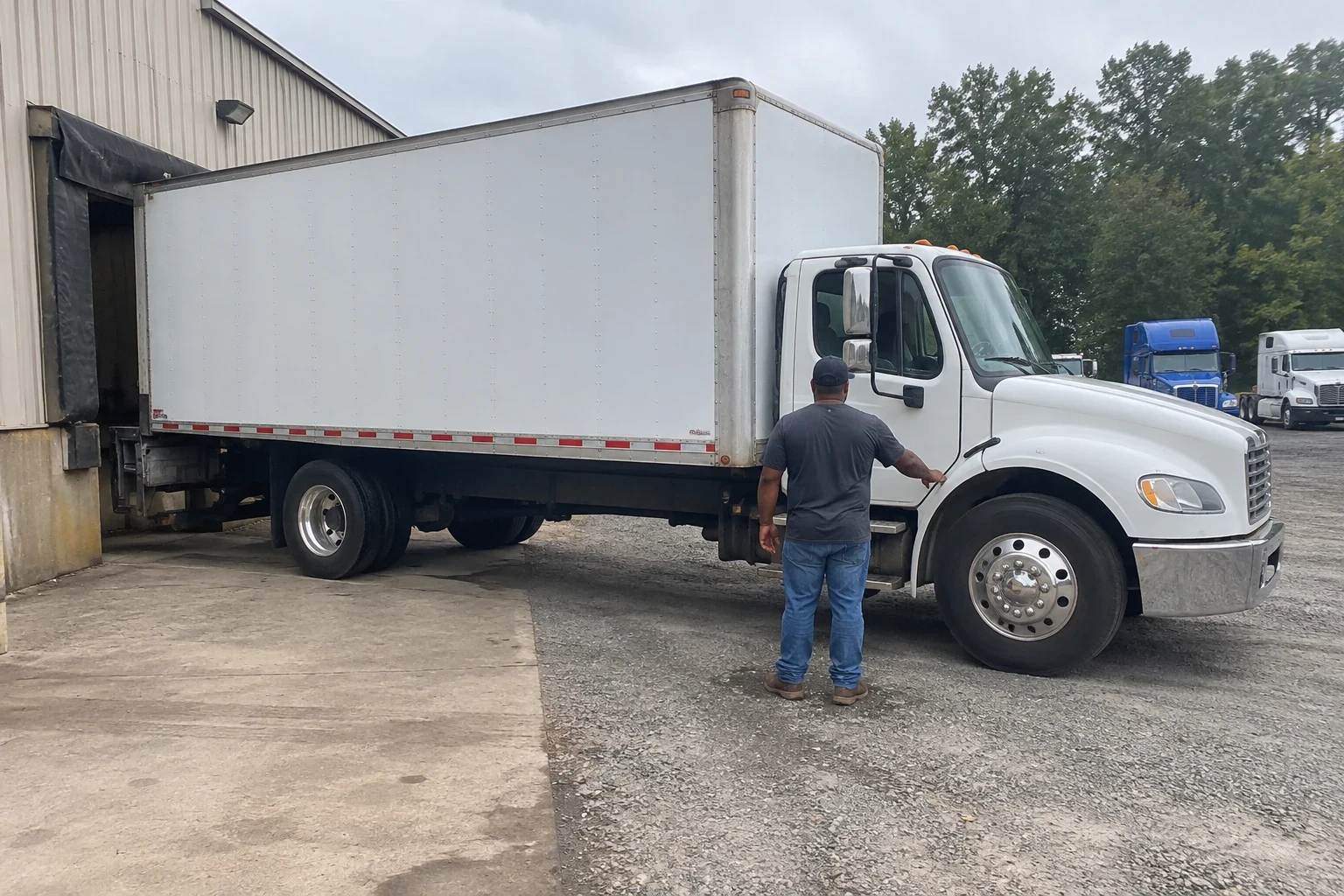
Box Truck Insurance
Coverage for straight trucks and cargo vans hauling freight, matched to your loads, your contracts and the filings your authority needs.
Why Truckers Work With Us
Most bad trucking policies come from nobody looking closely at the start. We look first and talk second.
We read your policy before we sell one
Send us your declarations page and your loss runs. We check limits, deductibles, listed drivers, listed units and the radius you are rated for. Then we tell you what we found, including when your current setup is fine.
Licensed for property and casualty
We hold a license for property and casualty insurance, which is the line trucking coverage falls under. You are dealing with people who are allowed to write this business and answer for it.
Five years in this work
We have been in business 5 years. That is long enough to see how new authorities, renewals and claims actually play out, and which gaps keep showing up.
Gaps named out loud
A shipper contract that needs higher cargo limits. A trailer you pull under an interchange agreement with no coverage for it. A driver who is not on the schedule. We point these out in writing so nothing surprises you at a claim or a broker check.
No pressure to switch
If what you have is right for your operation, we will say so. You only change when the numbers and the coverage both make sense to you.
How Getting Covered Works
Four steps. Most of the work is gathering the right details up front so the quote holds.
- 1
Talk through your operation
You tell us what you run, what you haul, where you go and who drives. If you have a DOT number and MC authority, we start there. If you are still applying, we start with your plans.
- 2
We review what you have
We look over your current policy, loss runs and driver list. You get a plain summary of what is covered, what is missing and where you may be paying for more coverage than you need.
- 3
Quotes and options
We take your details to the markets that write your kind of trucking and lay the options side by side. We explain the trade-offs in plain words so you can choose.
- 4
Filings and certificates
Once you pick a policy, we help get the required federal and state filings in place and send certificates of insurance to your brokers, shippers or lessors. At renewal, we review again before anything rolls over.
What Moves Your Premium
Trucking premiums are built from a handful of things underwriters look at closely. Some you can change and some you cannot. Knowing which is which helps you plan, and it is part of what we explain during the review.
Every quote starts with your actual details, so we do not give ballpark numbers before the review. Once we have what we need, we go over each line of the quote with you by phone, video or at our office.
- Time under your authority
- A brand-new MC authority has no track record, so the first year usually costs more. Clean months on the books start to help at renewal.
- Driver records and experience
- Underwriters pull motor vehicle records for every driver. Years of commercial driving, recent violations and accidents all show up in the price.
- What you haul and how far
- General freight, building materials, refrigerated loads and higher-value cargo price differently. Your radius matters too. Local dump work is rated another way than long-haul runs across several states.
- Your trucks and trailers
- The year, type and value of each unit drive physical damage cost. A dump truck, a box truck and a sleeper tractor all carry different risk.
- Loss history and safety scores
- Prior claims and your FMCSA safety data are read closely. A clean inspection history is one of the few things that steadily works in your favor.
- Limits and deductibles you choose
- Higher liability or cargo limits cost more, and some brokers and shippers require them. A higher physical damage deductible can bring the premium down if you can carry that risk.
Where Our Customers Run
We work with truckers based in College Park and across the surrounding area, including East Point, Hapeville, Atlanta, South Fulton, Union City and Fairburn. We also cover carriers out of Forest Park, Riverdale, Morrow and Gresham Park.
- College Park
- East Point
- Hapeville
- Atlanta
- South Fulton
- Union City
- Forest Park
- Fairburn
- Riverdale
- Gresham Park
- Morrow
Your trucks can run well past these towns. What matters for your policy is where you garage and how far you travel, and we set that up correctly from the start.
Questions Truckers Ask Us
- What insurance do I need to activate new MC authority?
- For most for-hire carriers, the federal minimum is primary auto liability, filed with FMCSA by the insurance company. Some authority types also need a cargo filing before they can run. Brokers and shippers almost always want cargo coverage on top of that. We go over which filings apply to your authority before we quote.
- I am leased on to a carrier. Do I still need my own policy?
- Usually the carrier covers primary liability while you are under dispatch. You still need non-trucking liability, often called bobtail, for when you are off dispatch. Physical damage on your own truck is usually on you too. We read your lease agreement to see exactly what it asks for.
- Why is my premium so much higher than my car insurance?
- A loaded tractor-trailer can do far more damage than a passenger car, and the required liability limits are much higher. Claims in trucking also tend to be large. Your driving record, the length of your authority and your cargo all add to it. We show you which of those you can work on.
- What do you need from me to get a quote?
- Your DOT and MC numbers if you have them, a list of trucks and trailers with VINs and values, and every driver's license details. Loss runs from your last carrier help a lot. Tell us what you haul and how far you go, and we can get started.
- Can you send certificates of insurance to my brokers?
- Yes. Once your policy is in force, we issue certificates to the brokers, shippers and lessors you work with. If a contract needs a specific holder name or wording, give us the details and we check that your policy supports it.
- Will you just try to sell me a new policy?
- No. We review what you have first and tell you what we find. If your current coverage fits your operation and the price is fair, we will tell you to keep it.
- Do I have to come to your office?
- No. Plenty of our customers are on the road, so we do reviews by phone and video. If you would rather sit down in person, our office in College Park works too.
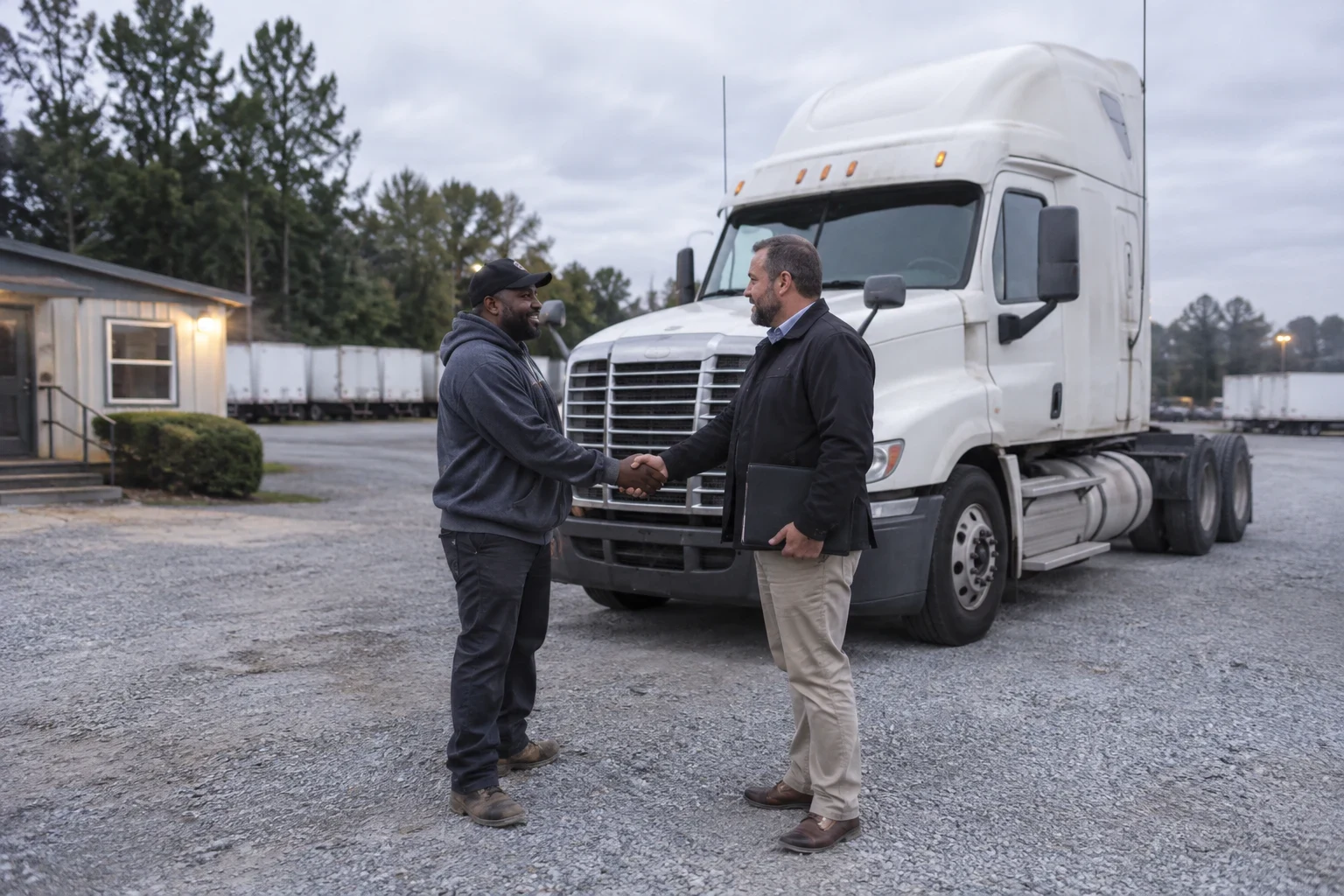
Find Out What Your Policy Really Covers
Have your declarations page and truck list handy. We will go through it with you and tell you plainly what we see before we quote anything.