ServicesFleet Truck Insurance
Fleet Truck Insurance in College Park, GA
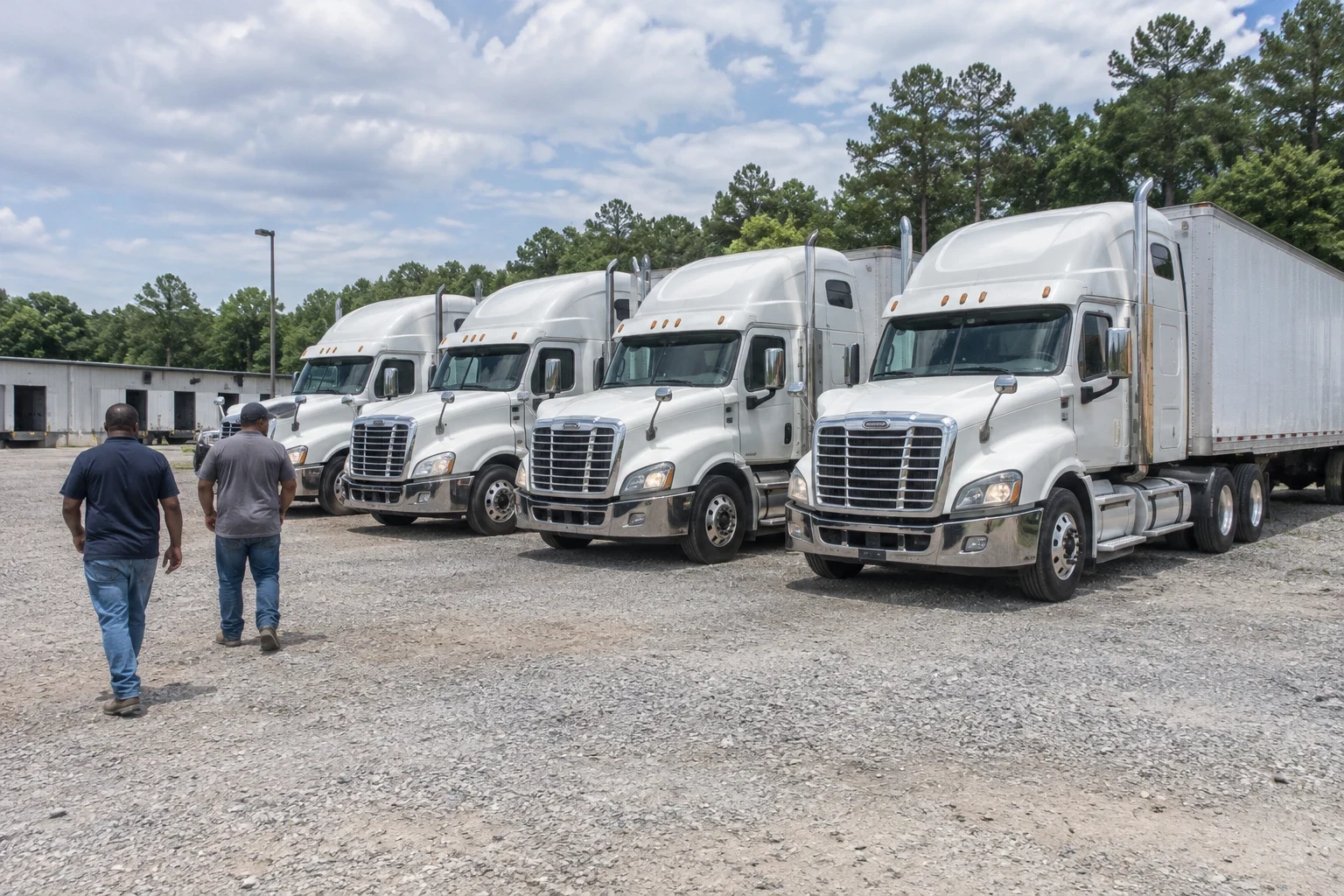
Running several trucks means one policy has to keep up with drivers coming and going, units added mid-year and brokers asking for certificates. We start by reading what you have now, tell you plainly what we find, then quote coverage for your whole fleet.
One policy for every truck you run
Fleet truck insurance puts your power units, trailers and drivers under one policy instead of a stack of separate ones. It usually combines primary auto liability, physical damage and cargo coverage, with one renewal date and one set of filings tied to your DOT number.
It makes sense once you run more than a couple of trucks, or when keeping track of separate policies starts costing you time. We work with small and mid-size fleets in College Park, East Point, Union City and across the south side of Atlanta.
We have been in business 5 years, and we are licensed for property and casualty insurance. Before we recommend anything, we go through your current policy line by line and show you what is covered, what is not and where you might be paying twice.
What we check and set up
- 01
Vehicle and trailer schedule
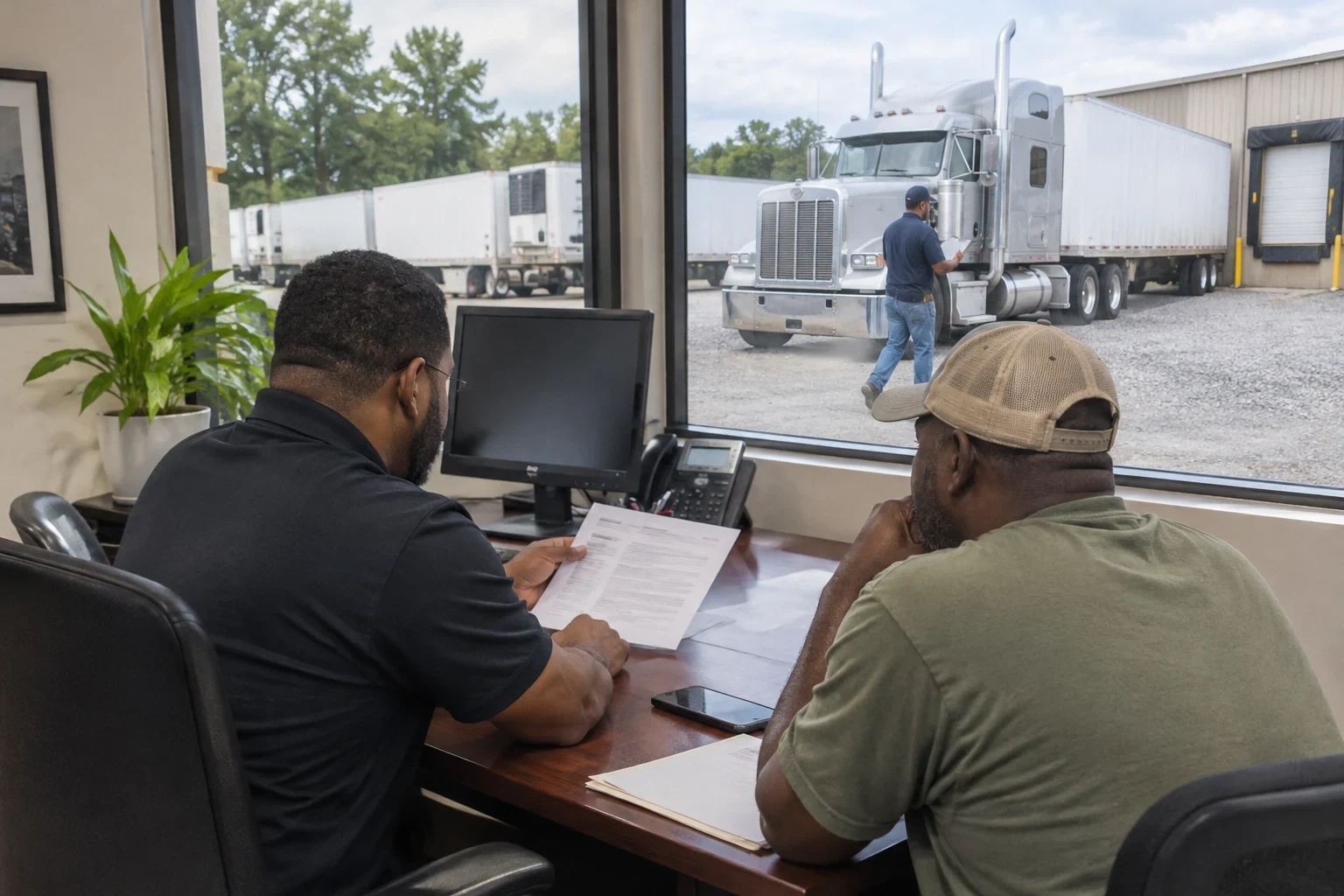
We compare each unit on your policy to the trucks you actually run: year, make, VIN and stated value. A sold truck still listed or a new truck never added are common mistakes, and both cost you.
- 02
Driver list and records
We look at who is listed to drive and how the policy treats a new hire. Some policies only cover named drivers, so the driver you brought on last month may not be on there yet.
- 03
Liability, physical damage and cargo
We line up your liability limits with what your brokers and contracts require. Physical damage values should match what each truck is worth, and cargo coverage should match what you haul. We explain each piece in plain words.
- 04
Filings and certificates
We handle the filings your MC authority needs and issue a certificate of insurance when a shipper or broker asks for one.
- 05
Changes during the year
When you add or drop a truck or a driver, call us and we update the policy. You hear what the change does to your premium before we make it.
Questions about Fleet Truck Insurance?
Call(404) 236-6408Signs your fleet coverage needs a fresh look
The schedule doesn't match the yard
Trucks you sold are still on the policy, so you keep paying for them. Or a new unit never got added and may not be covered at all.
Renewal jumped with no explanation
A big premium increase has a reason: a claim, a driver's record, a change in radius or a carrier pulling back. You should be told which one.
Brokers send certificates back
When a broker rejects your certificate over low limits or a name missing from the policy, loads sit. That usually means the policy was built for an earlier version of your operation.
Several policies, several dates
Different carriers and renewal dates for different trucks make it easy for one to lapse without anyone noticing.
You hired fast
Quick hiring often puts drivers on the road before anyone checked how the policy handles them.
How a fleet review works
- 1
Gather what you have
Call us and we will tell you what to pull together: your current declarations page, vehicle and driver lists, and loss runs from your carrier. Bring them to our office or go through them with us by phone or video.
- 2
We read it line by line
We compare the policy to how your trucks really run: radius, commodities, where they park at night and who drives. You get a plain list of what we found, gaps and overlaps included.
- 3
We shop the coverage
We take your fleet details to the carriers we work with and bring back quotes we can explain side by side. If your current policy is in good shape, we say so.
- 4
Bind, file and send certificates
Once you choose, we bind coverage, make the filings and send certificates to the brokers and shippers you name. After that, we handle changes as your fleet grows or shrinks.
What moves the price of fleet coverage
Fleet premiums are built from your trucks, your drivers and your record. No two fleets price the same, so we don't guess at a number before we see your details. These are the things carriers weigh most.
- Driver records
- Violations, accidents and years of commercial driving on each record. One driver with a rough history can raise the premium for the whole fleet.
- Loss history
- Carriers usually ask for several years of loss runs. Fewer and smaller claims help. A recent large one weighs heavily.
- What you haul and how far
- Radius of operation and commodity both matter. Long-haul runs and high-value freight price differently than local work.
- Units and their values
- How many power units and trailers you run, their age and the stated values you carry for physical damage.
- Safety record
- Your CSA scores and roadside inspection history under your DOT number shape how carriers see the risk.
Fleet insurance questions we hear
How many trucks do I need for a fleet policy?
There is no single cutoff. Some carriers write fleet policies starting at a few power units, others want more. Tell us your count and we will explain which options fit.
Can I add a truck in the middle of the policy term?
Yes. Call us with the year, make, VIN and value, and we add it to your schedule. We tell you the premium change and send updated certificates if a broker needs them.
What happens when I hire a new driver?
Most carriers want to approve a driver before that driver is covered. We send the driver's information and record for review. Until it comes back approved, keep that driver out of your trucks.
My owner-operators run under my authority. Are they covered?
It depends on how your policy and your lease agreements are written. Some fleets cover leased units on their own policy, while others require the owner-operator to carry physical damage and non-trucking liability. We read both so nobody is guessing.
Do I have to switch carriers to work with you?
No. Sometimes the review shows your current setup is fine or only needs a couple of changes. We will tell you that straight.
Let's look at your fleet policy first
Have your declarations page, vehicle list and driver list handy. We will go through them with you and tell you what we see before we suggest anything.