ServicesPrimary Auto Liability
Primary Auto Liability Insurance in College Park
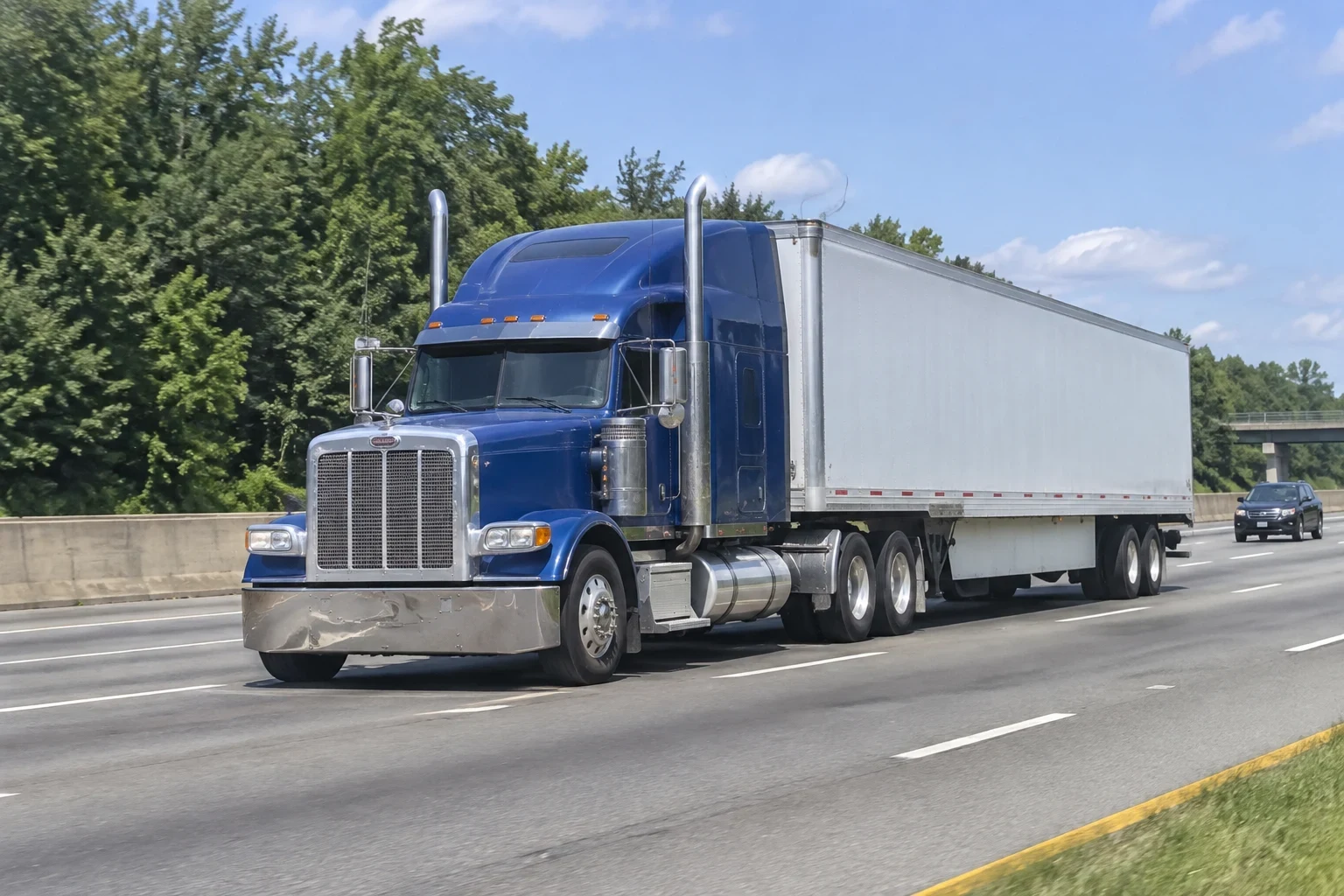
Primary auto liability pays for injuries and damage your truck causes to other people. It is also the coverage that keeps your MC authority active. We look at your operation first, tell you plainly what we find, and then quote the limit you actually need.
The coverage your authority stands on
If you haul for hire under your own DOT number and MC authority, primary auto liability is not optional. The insurer files proof with the FMCSA, and your authority stays active only while that filing is in place. If the policy lapses, the FMCSA gets notice and your authority can be pulled.
This coverage does not fix your own truck or the freight in it. Physical damage insurance covers the truck, and motor truck cargo insurance covers the load. Primary liability covers the other driver, the other vehicle and the property you hit. That is often the largest claim a small carrier will ever face.
We have been in business 5 years, and the first thing we do on every policy is the same. We go through your operation before we recommend anything. Many carriers are paying for a limit that doesn't match their brokers' requirements, or for a radius they never run.
What we handle on a liability policy
- A review of your operation
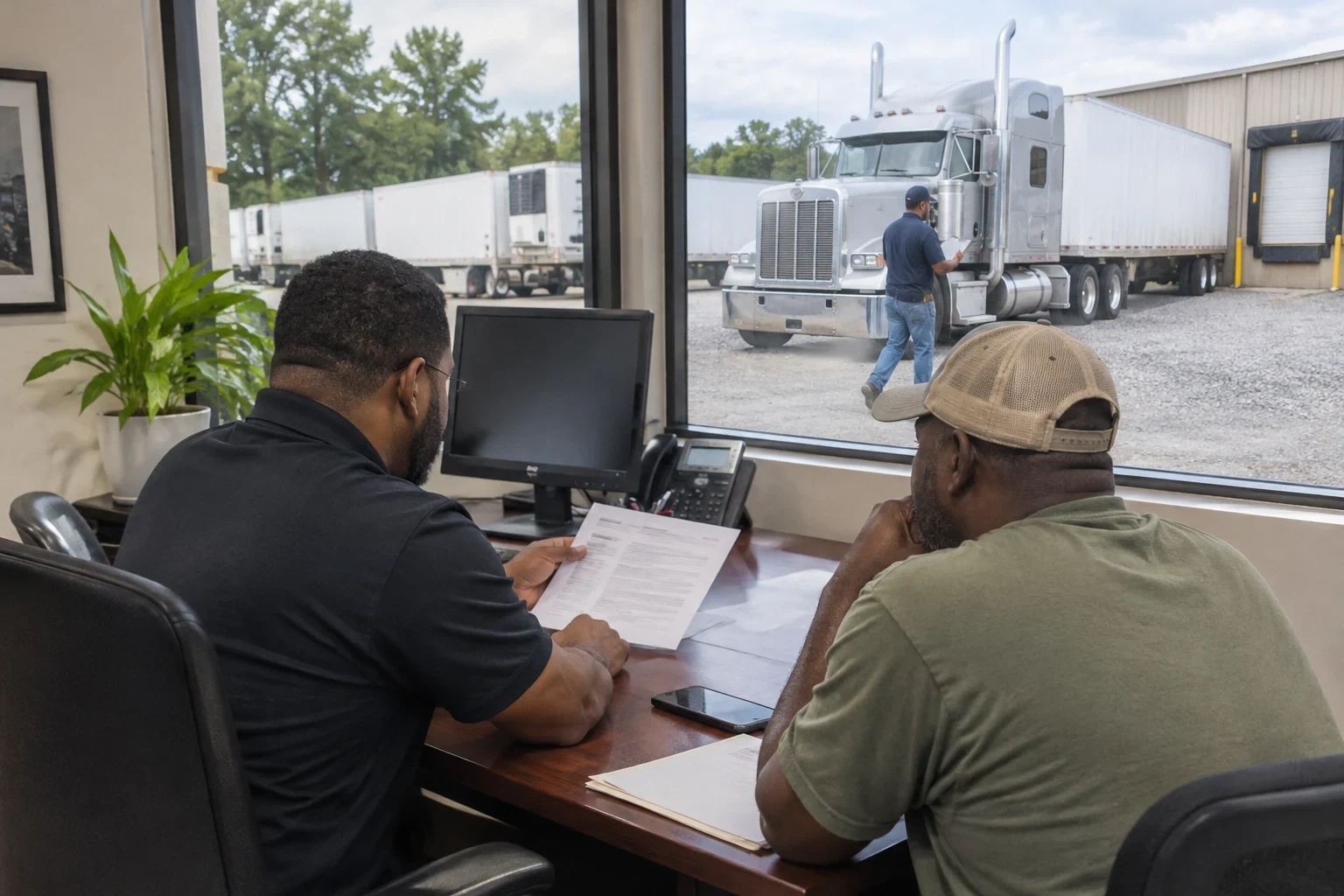
- We go over your DOT number, your drivers, your trucks, what you haul and how far you run. If you have a current policy, we read it line by line and tell you what we see.
- The right limit for your loads
- The federal minimum is a floor. Most brokers and shippers ask for more, and some freight carries a higher legal requirement. We match the limit to the work you actually take.
- Federal and state filings
- Once a policy is bound, the carrier files proof of coverage with the FMCSA. We track that filing until it shows on your record, and we handle state filings when your work requires them.
- Certificates of insurance
- Brokers and shippers want a certificate of insurance before they load you. We issue them and add certificate holders when you pick up new customers.
- Help when a claim comes in
- We explain the claim process and what the insurer will ask for. The adjuster makes the decisions, but you won't be left guessing about the next step.
When it's time to look at your liability coverage
Your new authority is waiting
Your MC number won't go active until a liability filing is on record. Every day it sits is a day you can't book loads.
A broker turned you down
If a broker says your limit is too low, you need to know whether to raise it or find freight that fits what you carry.
You're leaving a lease
Running under someone else's authority meant their liability policy covered you. Once you go out on your own, that coverage stops.
Your renewal jumped
A big increase with no clear reason is worth a second look. Sometimes it's a loss, sometimes a driver record, sometimes an error in how your operation was rated.
Your operation changed
New drivers, more trucks, a different commodity or a longer radius all change the risk. If your policy doesn't reflect it, a claim can turn into a fight.
What moves your liability premium
Liability is usually the biggest line on a trucking policy. The premium comes down to how much risk the insurer thinks your trucks put on the road. We show you which of these factors apply to you, so the number makes sense.
Driver records and experience
Years behind the wheel and clean motor vehicle records carry a lot of weight. One driver with recent violations can raise the cost for the whole policy.
Time under your authority
New authorities pay more because there's no history yet. Rates tend to settle after a carrier builds a clean record.
Radius and where you run
Longer hauls and dense traffic raise the risk. Trucks garaged around College Park and running metro Atlanta freeways every day are rated differently than rural routes.
What you haul
Some commodities carry higher limits or more claim risk. Hazardous materials and certain heavy loads cost more to insure.
Your loss history and safety scores
Past claims and inspection results on your DOT record follow you to every insurer. A clean record is the best lever you have.
How we put your policy together
- 1
The first call
You tell us about your trucks, your drivers and the freight you haul. Have your DOT number handy and any current policy you want us to look at.
- 2
We review the details
We pull your safety record and go through driver records, loss runs and your current coverage. This happens at our office, or by phone and video if that's easier.
- 3
Plain findings
We tell you what we found before we quote anything. That includes gaps, overlaps and anything that will push your premium up.
- 4
Quotes you can compare
We bring back options with the limit, deductible and terms laid out so you can see the differences side by side.
- 5
Bind, file and certify
Once you choose, we bind the policy, confirm the filing reaches the FMCSA and send certificates to your brokers.
Primary auto liability questions
Is primary auto liability the same as bobtail coverage?
No. Primary liability covers you while you're working under your own authority. Non-trucking liability, often called bobtail insurance, is for leased owner-operators when they drive for personal use and the motor carrier's policy doesn't apply. We'll tell you which one fits your setup.
How long does it take to get my filing active?
The insurer files once the policy is bound and paid. It then takes some time to show on your FMCSA record. We check the record and let you know when it appears so you aren't guessing.
How much liability do I need?
It depends on what you haul and who you haul for. The federal minimum is the legal floor, but most brokers ask for a higher limit before they'll load you. We look at your freight and your broker agreements and tell you what makes sense.
Will a ticket or accident from last year hurt my quote?
It can. Insurers look back several years at driver records and claims. We'll tell you plainly how it's likely to affect your premium and which carriers may still be a good fit.
Who will I be working with?
A local agency licensed for property and casualty insurance. You can meet us at our office in College Park or handle everything by phone and video.
Find out where your liability coverage stands
Tell us about your trucks and the loads you run. We'll review it, give you our honest findings and then talk about options.