ServicesDump Truck Insurance
Dump Truck and Construction Truck Insurance in College Park
Dump trucks take a beating, and so do the policies written for them. We start by looking at your trucks, your hauls and your job contracts. Then we tell you plainly what fits, what is missing and what you are paying for that you do not need.
Coverage Built Around How a Dump Truck Really Works
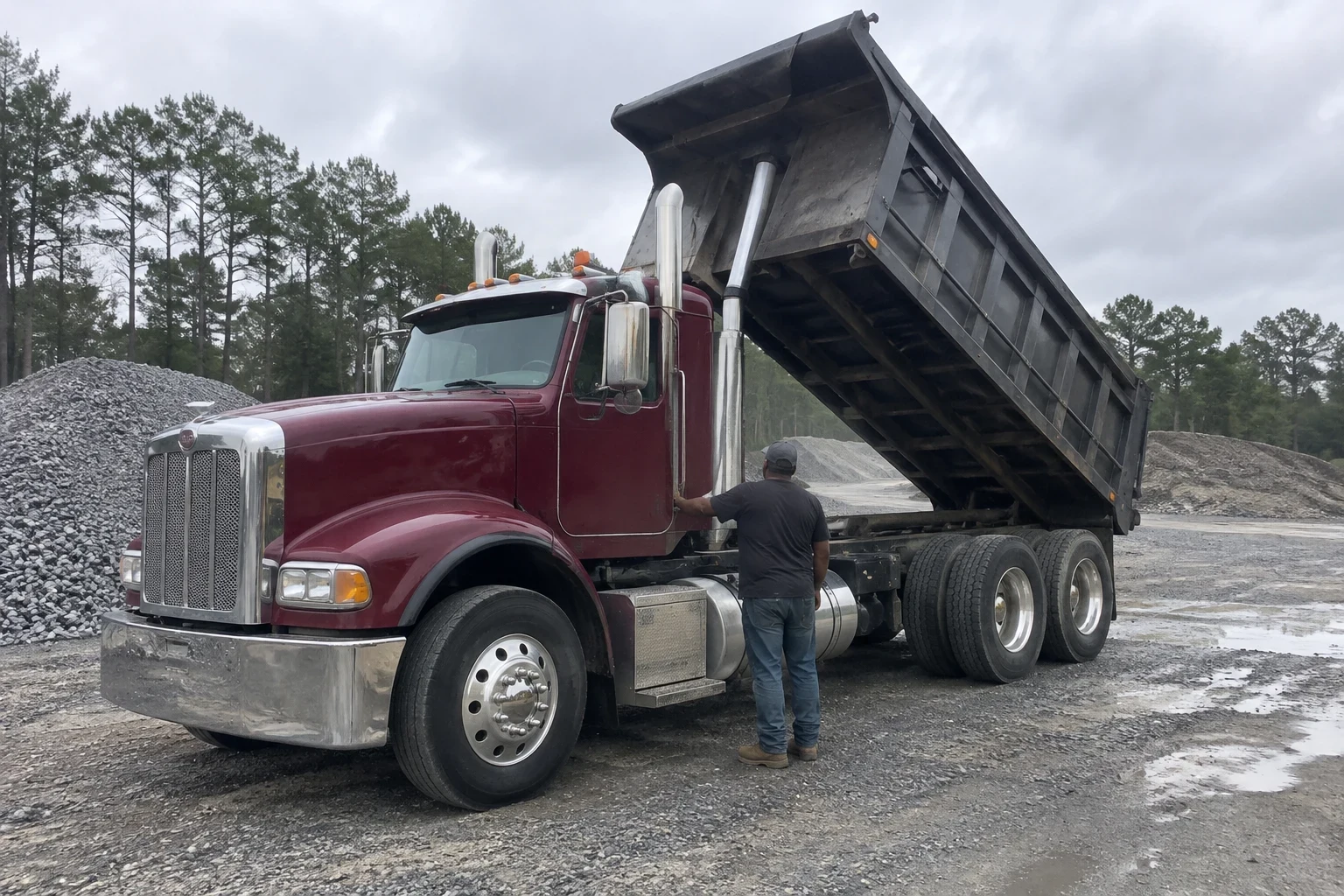
A dump truck is not a long-haul rig. It runs short trips, loads on rough ground, raises its bed on job sites and backs up all day. Insurance companies price that risk differently, and a policy written as if your truck were a highway tractor can leave real gaps.
Before we quote, we ask what you haul, where the loads go and who you work for. Sand, gravel, dirt, asphalt and demolition debris each raise different questions. So does a contract with a general contractor that spells out limits and certificate wording.
We have been in business 5 years and are licensed for property and casualty insurance. That work has shown us that most problems on a construction truck policy come from details nobody checked at the start.
What We Look At and What We Set Up
- Primary auto liability
- This covers injury and damage you cause to others on the road. We match the limit to what your contracts and your filings call for, not to a round number someone guessed.
- Physical damage for the truck
- Collision and comprehensive for the truck itself, based on what it is worth today. We check how the policy treats a tip-over or rollover with the bed raised, since that is a common dump truck loss.
- Radius and haul class
- We confirm your operating radius and the kind of material you move. A wrong radius or haul class on the application is one of the easiest ways to get a claim questioned later.
- Certificates for contractors
- General contractors and developers want a certificate of insurance before you roll onto the site. We get the names, the wording and any request to add the contractor to your policy right, so you are not held at the gate.
- Cargo coverage when it applies
- Many dump operators do not need cargo coverage for their own fill or aggregate. If you haul for others under contract, we look at whether motor truck cargo insurance makes sense.
Signs Your Construction Truck Policy Needs a Second Look
Your policy lists the wrong radius
If you started running jobs farther out, toward Fairburn or across Atlanta, and never told your agent, the policy may not match your work.
A contractor rejected your certificate
This usually means a limit, a name or an endorsement is missing. It is worth fixing before the next bid, not the morning of the job.
You added a truck and the premium jumped
Sometimes that is fair. Sometimes it is a rating mistake, like the new truck being classed for a heavier haul than it does.
Nobody explained the deductibles
If you cannot say what you would pay out of pocket after a tip-over, you need someone to walk you through it.
You hire drivers now
Adding a driver changes how carriers look at your operation. Their records need to be checked and listed correctly.
What Moves the Price on a Dump Truck Policy
No two construction truck premiums come out the same. The price depends on the truck, the driver and the work. We show you which of these is driving your number so you know where you have room and where you do not.
Truck value and age
A newer tri-axle costs more to insure for physical damage than an older single-axle. Liability is rated more on use than value.
What and how far you haul
Local aggregate runs rate differently from long trips or debris hauling. Radius is one of the biggest levers on the premium.
Driver records
Tickets, accidents and years behind the wheel of a heavy truck all count. One driver with a rough record can lift the price for the whole policy.
Your history in business
Carriers look at how long you have run your own trucks and what claims you have had. Newer operations usually pay more at first.
Limits and deductibles
Higher liability limits cost more, and contracts often set the floor. A higher physical damage deductible can bring the premium down if you can carry it.
How a Quote With Us Goes
- 1
We talk through your operation
By phone, by video or at our office in College Park, we go over your trucks, drivers, materials and the towns you work in. Bring your current policy if you have one.
- 2
We review what you have now
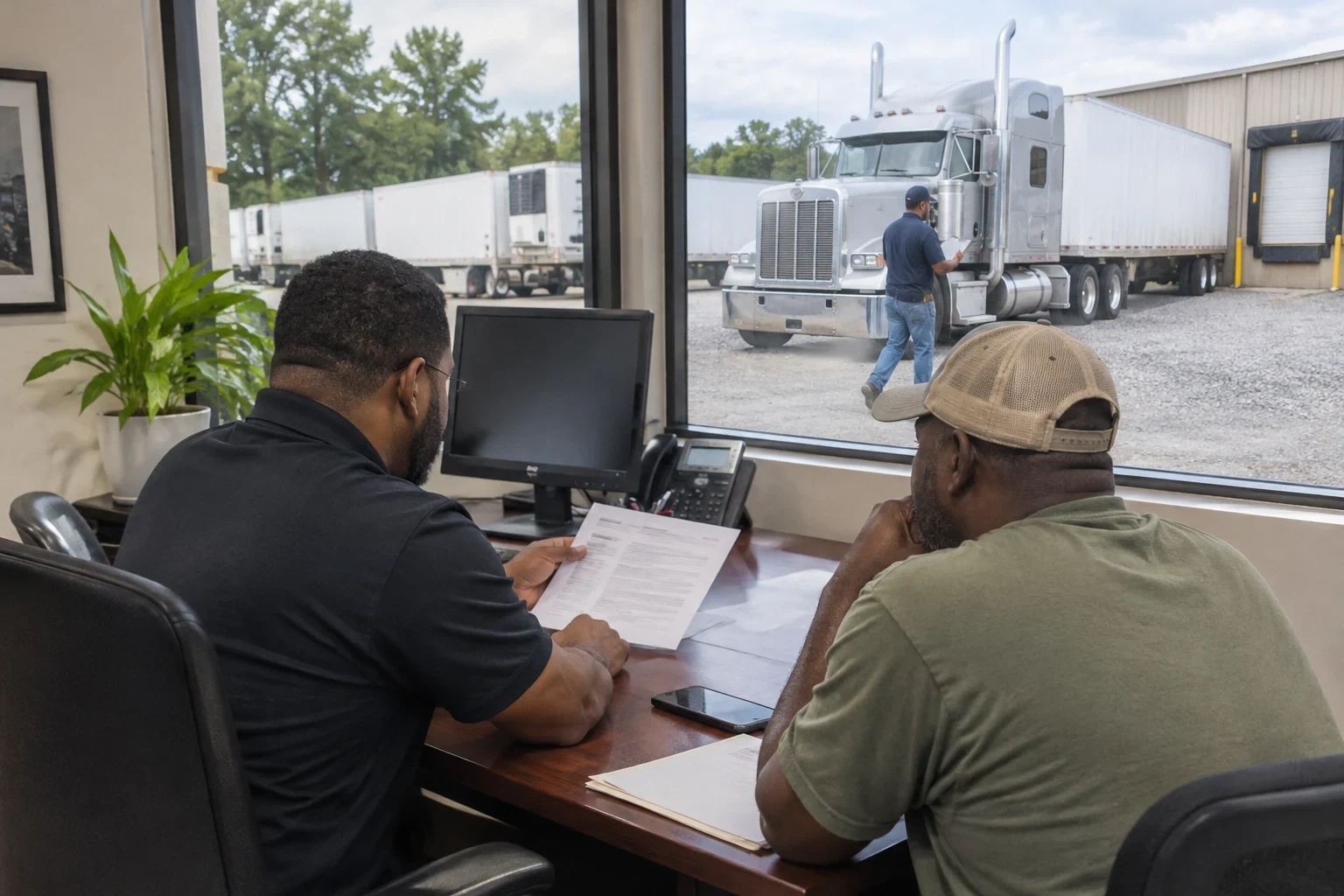
We read your declarations page and endorsements line by line. You get a plain list of what is covered, what is not and what does not match your work.
- 3
We shop the coverage
We take an accurate picture of your operation to carriers that write construction trucks. An honest application gets fewer surprises at renewal and at claim time.
- 4
We lay out the options
You see each option side by side, with what changes between them. You decide, and we handle the filings and certificates once you do.
Dump Truck Insurance Questions We Hear
Do I need a DOT number for my dump truck?
It depends on the truck's weight, whether you haul for hire and whether you cross state lines. Many dump operators around Atlanta do need one. We will go over your setup with you and tell you what the filings on your policy need to show.
Is a tip-over covered?
It can be, under physical damage coverage, but the wording matters. Some policies handle a load shift or a raised-bed rollover differently. We read that section with you before you buy.
My general contractor wants to be added to my policy. Can you do that?
Usually, yes. Read us the contract requirements by phone or bring them to our office, and we will check that the certificate of insurance matches what they asked for before it goes out.
Can I cover a mixer, roll-off or flatbed under the same policy?
Often you can, as long as each truck is listed and classed for the work it actually does. We sort out which trucks belong together and whether fleet truck insurance makes more sense once you pass a few units.
Will cheaper coverage hurt me later?
Sometimes. A low premium can come from a narrow radius, a high deductible or a missing endorsement. We point those out so the price makes sense before you sign.
Let's Look at Your Trucks Before You Buy
Tell us what you haul and who you haul for. We will check your current coverage and give you straight answers before any recommendation.