ServicesNon-Trucking Liability (Bobtail)
Non-Trucking Liability (Bobtail) Insurance in College Park
If you're leased onto a motor carrier, their policy covers you under dispatch. The miles in between are yours to cover. We read your lease and the carrier's certificate first, tell you plainly where the gap is, then quote the non-trucking liability that fills it.
What non-trucking liability does, and who needs it
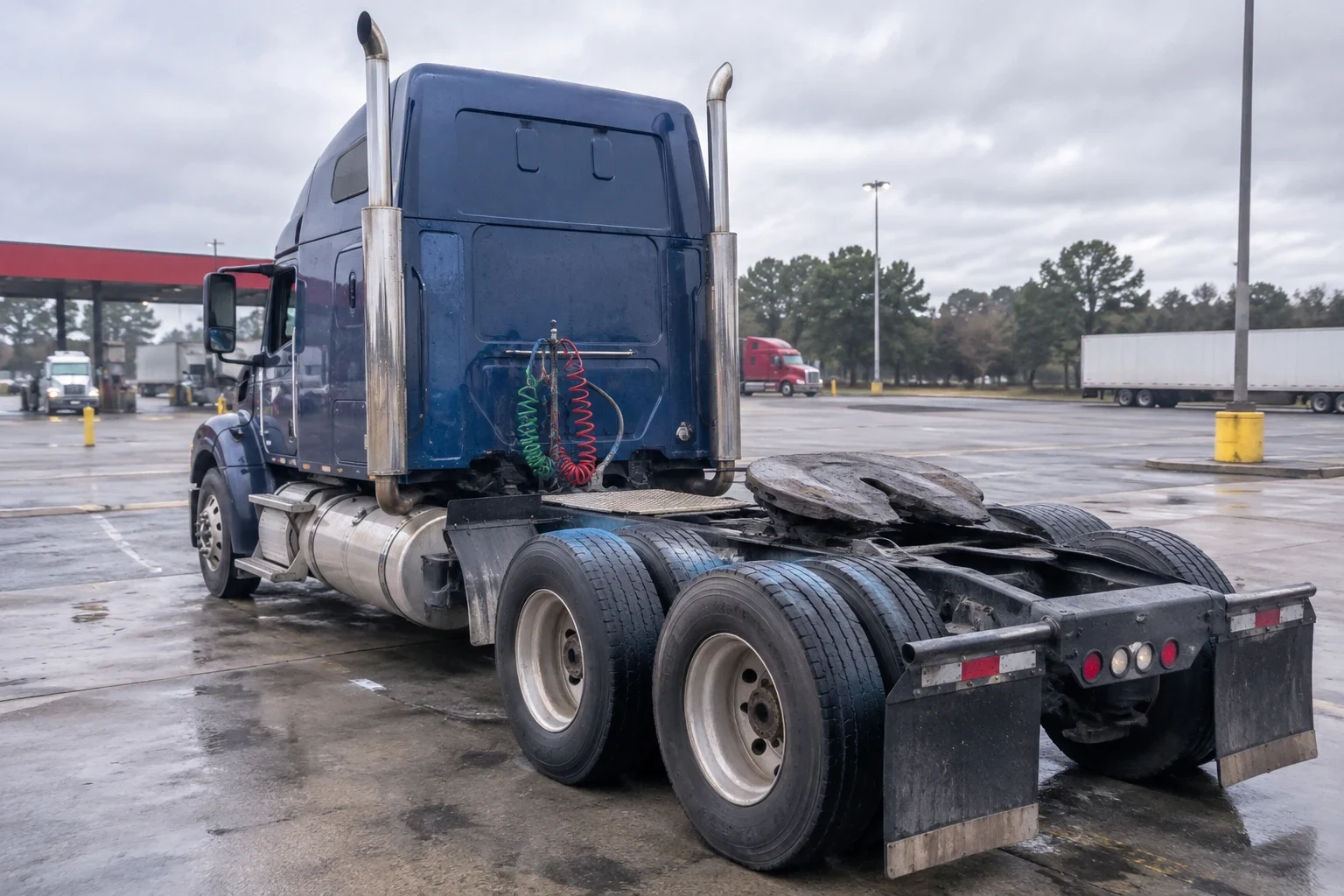
Non-trucking liability covers bodily injury and property damage you cause while driving your truck for your own reasons. Taking it to the shop, heading home after your last drop, running to the truck wash on a day off. The motor carrier you're leased to carries primary liability for the work they dispatch. They don't cover the rest, and most leases say you have to.
People call it bobtail insurance because a lot of that driving happens without a trailer. The two terms get mixed up, and the policy wording is what counts. Some forms key on your dispatch status. Others key on whether a trailer is hooked up. That difference matters when a claim lands, so we read the exact language before we recommend anything.
This coverage is for owner-operators leased onto someone else's authority. If you run under your own MC authority and DOT number, you need primary auto liability instead, and we'll tell you that up front.
What we check and set up
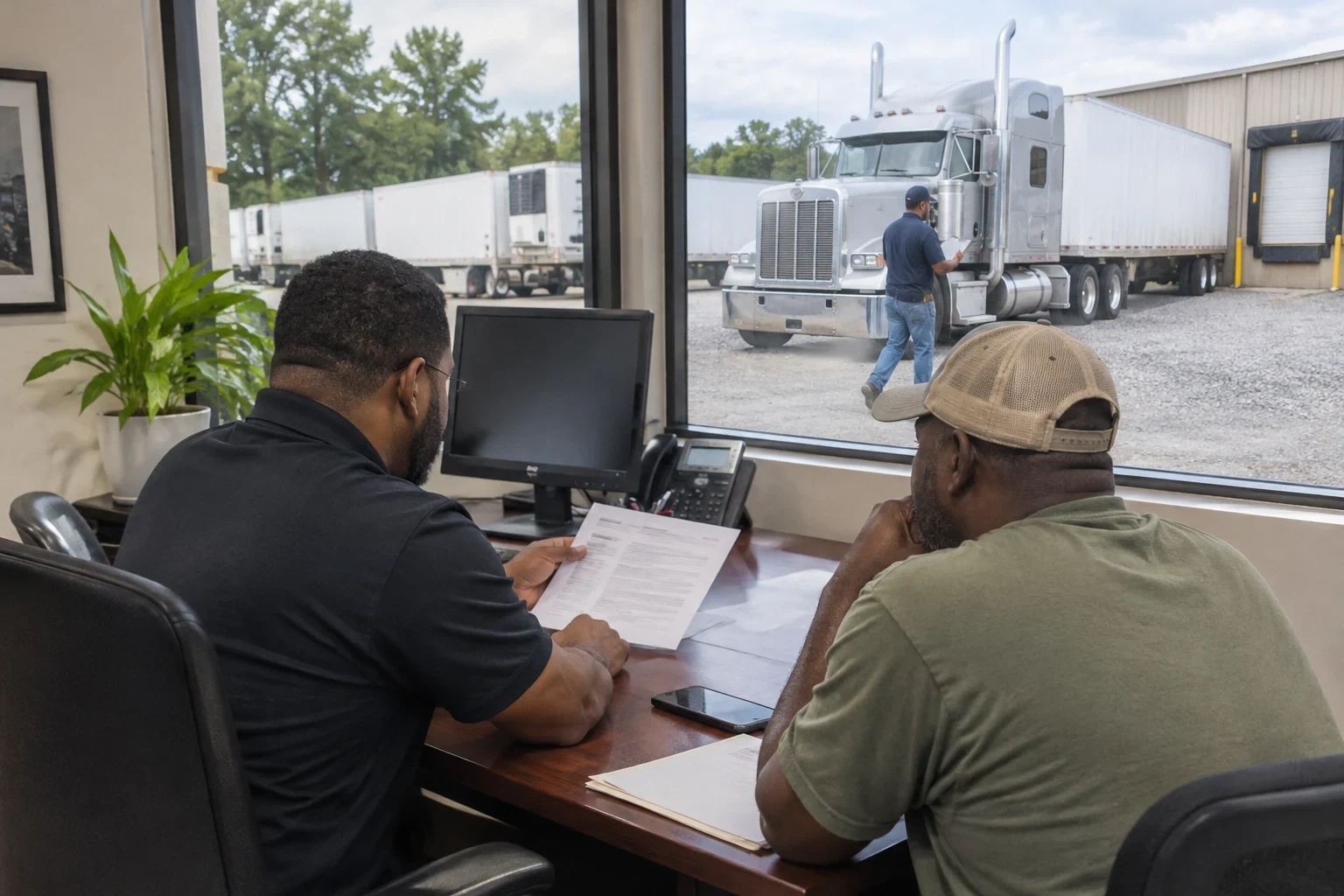
- A read of your lease
- We go through the insurance section of your lease agreement line by line. We note the limit it requires, who must be listed on the certificate and any language about when you're considered under dispatch.
- The carrier's coverage, side by side
- We look at the motor carrier's certificate of insurance next to your lease. You'll see where their coverage stops and yours has to start.
- A policy that fits the gap
- We quote non-trucking liability at the limit your lease calls for. Not more because it sounds safer, not less to make the premium look good.
- Certificates sent where they belong
- Once the policy is bound, we get the certificate of insurance to your motor carrier so your truck isn't held up waiting on paperwork.
- A plain list of what it won't cover
- Non-trucking liability does not pay to fix your truck or your load. If you need physical damage insurance or cargo coverage, we say so and explain why, in writing.
Signs you need to look at this coverage
You just signed a lease
Most carriers won't put you on the road until they have your non-trucking certificate. If onboarding stalled, this is usually the missing piece.
Your truck goes home with you
If you drive the tractor home between loads, every one of those trips is off dispatch. That's the driving this policy exists for.
You switched carriers
A new lease can mean a new required limit or new wording on the certificate. Your old policy may not line up anymore.
You're not sure what counts as dispatch
Deadheading back, fueling up, a run to the scale. If you can't say for certain which policy covers those trips, we should read both together.
Your carrier asked for an updated certificate
A request like that often means something changed on their end. Better to find out what before renewal than after a claim.
What moves the premium
Non-trucking liability usually costs less than primary liability because it covers fewer miles. Still, no two quotes come out the same. These are the things that move it, and we'll show you how each one applies to you.
The limit your lease requires
Higher limits cost more. We match the number in your lease so you aren't paying for coverage nobody asked for.
Your driving record
Tickets, accidents and years with a CDL all weigh in. A clean record makes the biggest difference.
Where the truck is garaged
Underwriters look at where the tractor sits overnight. A truck parked around busy freight corridors near the airport can price differently than one parked farther out.
The truck itself
Type of tractor, its age and its use all factor in. A day cab and a sleeper may not rate the same.
How the policy is written
Some forms cover more off-dispatch situations than others. A broader form can cost a bit more, and we'll explain whether you need it.
How it works when you call
- 1
We talk through your setup
You tell us who you're leased to, what you haul and how you use the truck off the clock. It takes a few minutes by phone, or we can meet at our office or on video.
- 2
We read the paperwork
Send over the lease and the carrier's certificate. We read the insurance terms and the dispatch language and write down what we find.
- 3
You get plain findings
We explain where the carrier's coverage ends, what your lease requires and whether anything else in your operation is left bare. No pitch attached.
- 4
We quote and bind
If non-trucking liability is the right fit, we quote it, walk you through the premium and bind it once you say go. Then we send the certificate to your carrier.
Non-trucking liability questions
Is bobtail insurance the same as non-trucking liability?
People use the names for the same thing, but the policies aren't always written the same. One may cover you any time you're off dispatch. Another may only apply when no trailer is attached. We read the wording with you so you know which one you're buying.
Does non-trucking liability cover damage to my truck?
No. It covers damage and injury you cause to others while driving off dispatch. Repairs to your own tractor fall under physical damage insurance, which is a separate policy.
Do I need this if I have my own authority?
No. If you run under your own MC authority, you need primary auto liability, which covers you loaded or empty, on a load or between them. Non-trucking liability is for drivers leased onto another motor carrier.
Who are you, and can you write this policy?
We've been in business 5 years helping truckers around College Park, East Point and Hapeville get coverage that matches their paperwork. We're licensed for property and casualty insurance, so we can quote and bind this coverage for you.
What happens if I drive under dispatch with only non-trucking liability?
Your non-trucking policy won't respond, because dispatched work is supposed to be covered by your carrier's primary liability. That's why we confirm the carrier's coverage is in force and read how your lease defines dispatch before anything is bound.
What should I have ready when I call?
Your lease agreement, the motor carrier's name, your CDL details and the truck's VIN. If you have the carrier's certificate of insurance, bring that too. It speeds up the review.
Find out what your lease actually requires
Call and tell us who you're leased to. We'll read the paperwork, explain what we find, then give you a quote by phone.